







.png)
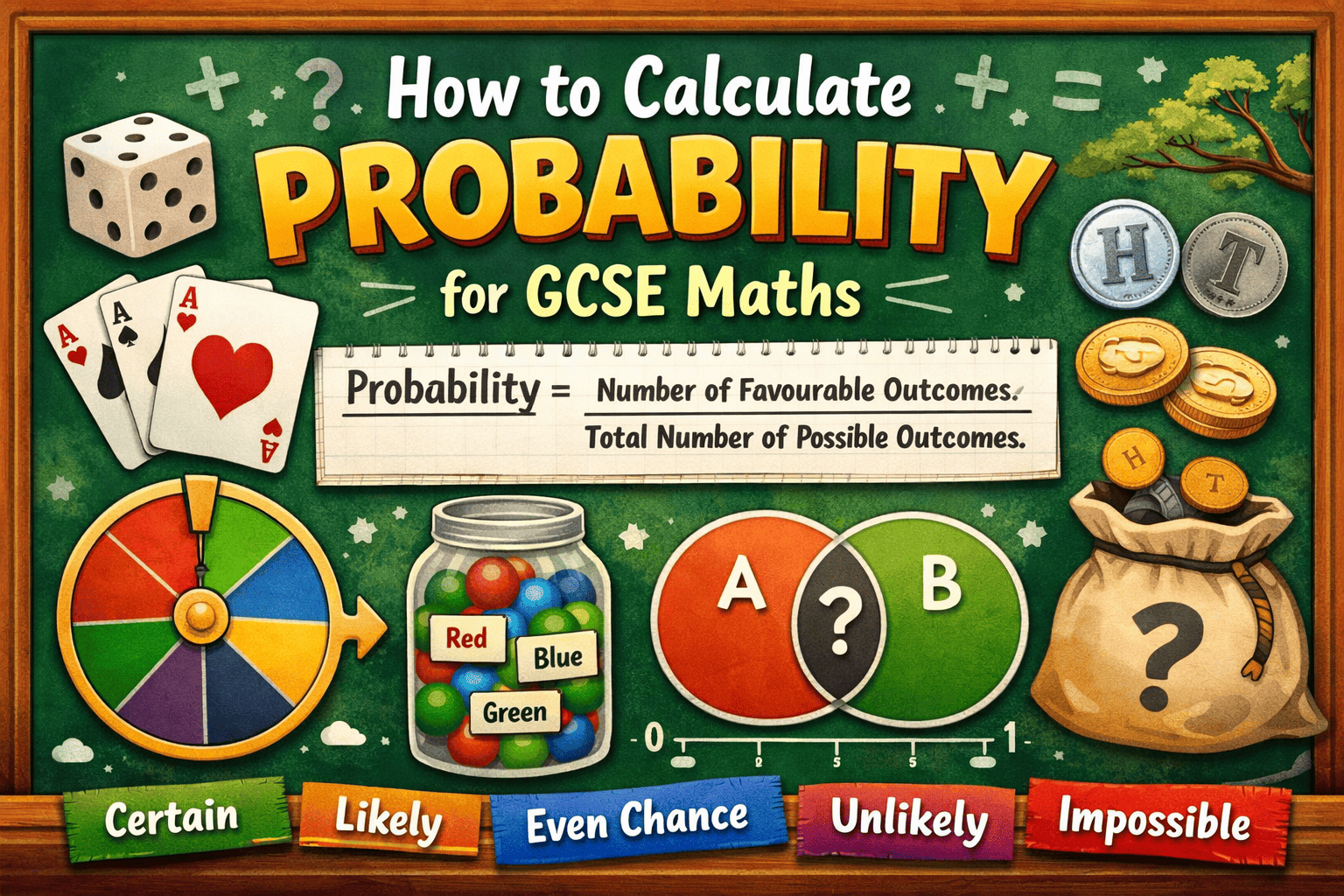
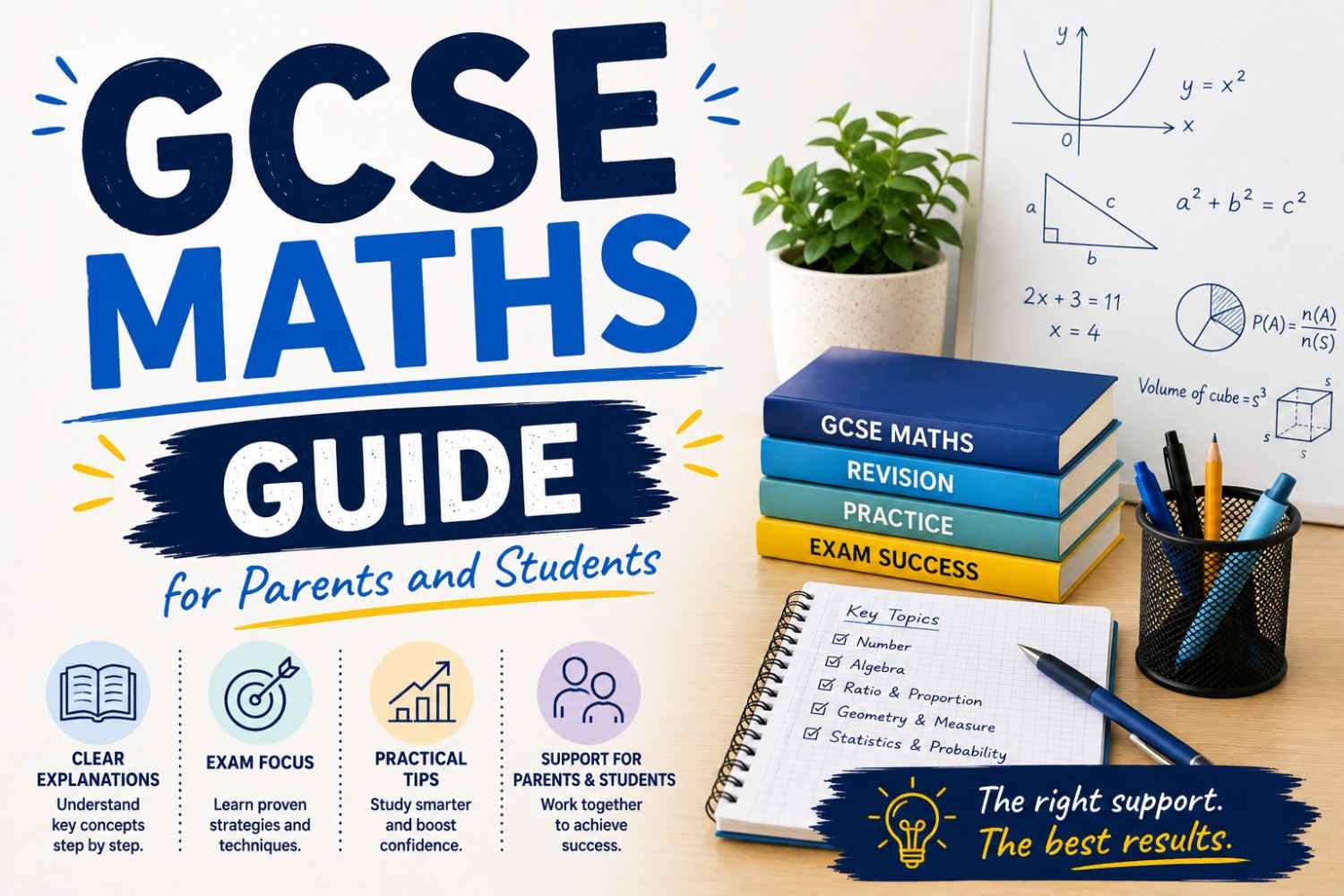
The GCSE Maths curriculum helps students build strong mathematical knowledge and practical problem-solving skills. It covers important topics such as algebra, geometry, trigonometry, statistics, graphs, and probability. These topics prepare students for higher education, future careers, and everyday life.
GCSE Maths is one of the most important subjects in the UK education system. A good understanding of maths improves logical thinking, analytical skills, and confidence in handling real-world calculations.
In this blog, we explain the GCSE Maths curriculum, including the main topics students learn and the skills required for exam success.
The GCSE Maths curriculum is designed to help students develop mathematical fluency, reasoning, and problem-solving abilities. Students learn how to apply maths in different situations and with technology.
The curriculum usually includes:
Students are assessed through written examinations that test both basic understanding and advanced application of mathematical concepts.
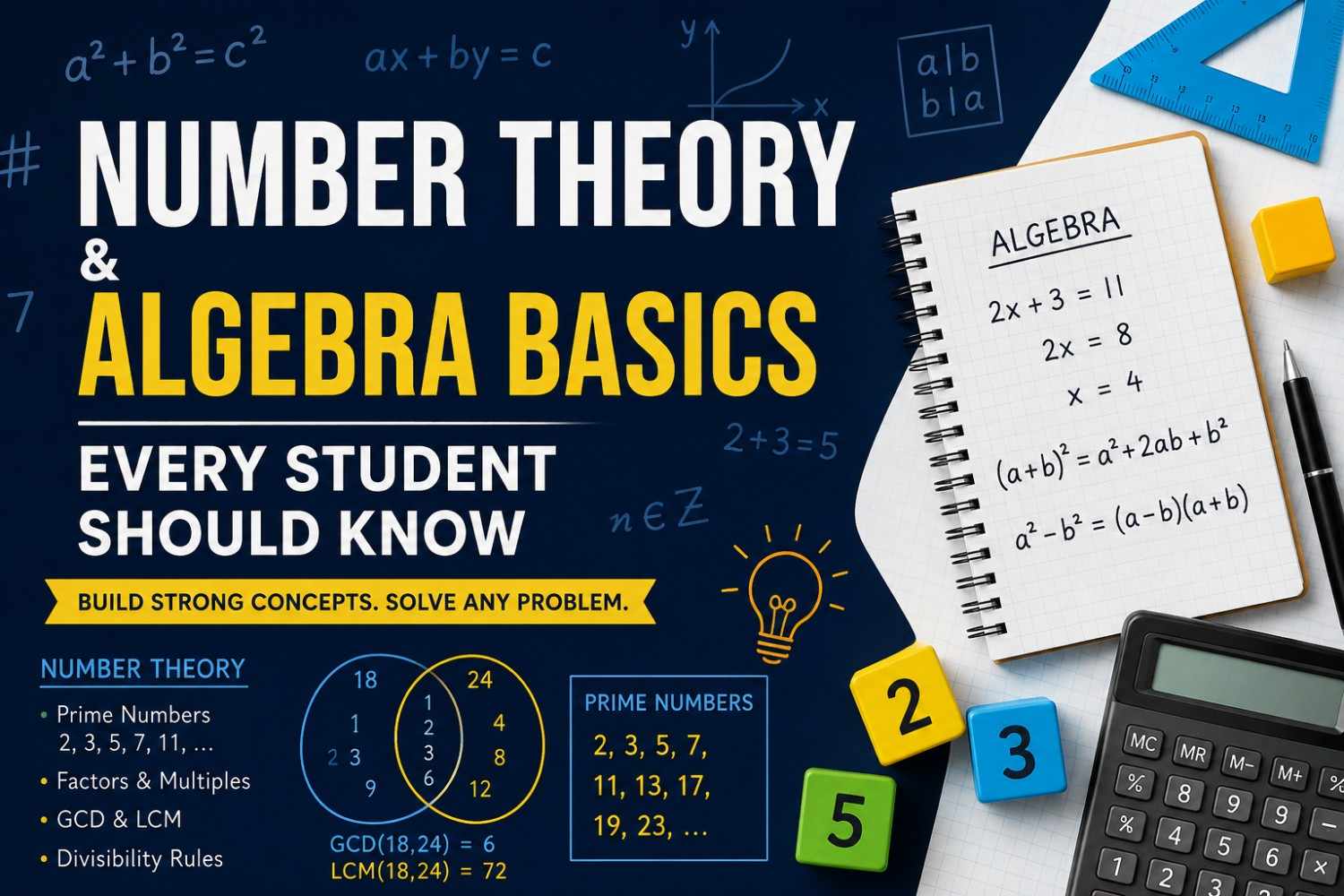
Algebra is one of the biggest parts of the GCSE Maths curriculum. Students learn how to use symbols and equations to solve mathematical problems.
a. Linear Equations
Students learn how to solve equations with unknown values.
Example:
b. Expanding Brackets
Students practice multiplying algebraic expressions.
Example:
c. Factorising
Factorising helps students break down algebraic expressions into simpler parts.
Topics include:
d. Functions
Students learn how mathematical functions work.
Key areas include:
Algebraic Fractions
Students solve calculations involving fractions and algebraic expressions.
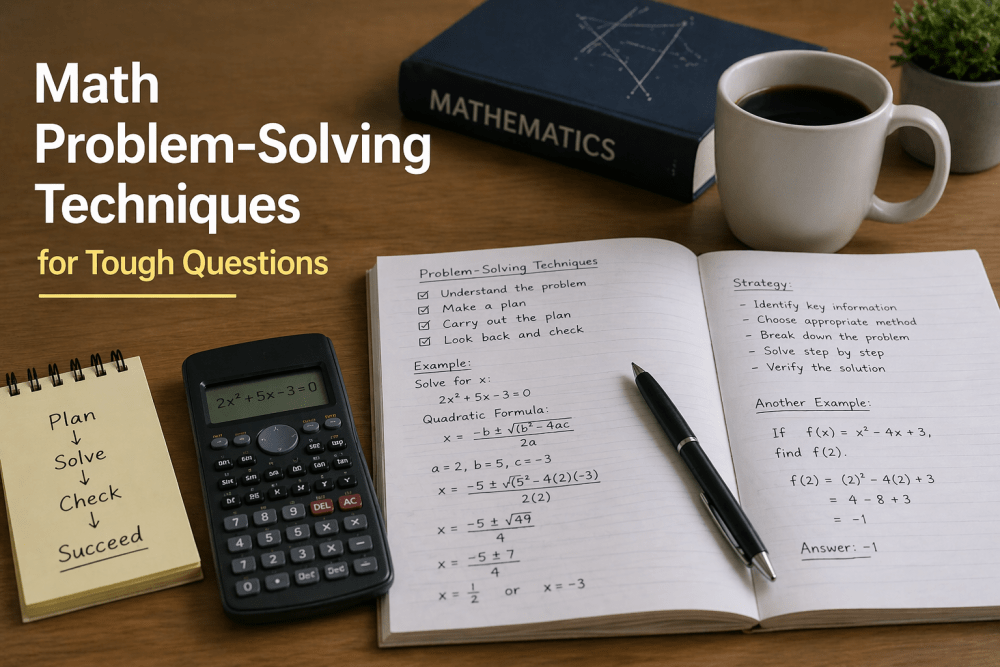
Quadratic equations are an important GCSE Maths topic. Students learn several methods to solve them.
|
Method |
Description |
|
Factorisation |
Splitting expressions into factors |
|
Completing the Square |
Rewriting equations into square form |
|
Quadratic Formula |
Using a formula to find solutions |
|
Graphical Method |
Finding solutions from graphs |
Students also learn how quadratic graphs behave and how to interpret them.
Surds are irrational numbers written in root form. Students learn how to simplify and calculate with surds.
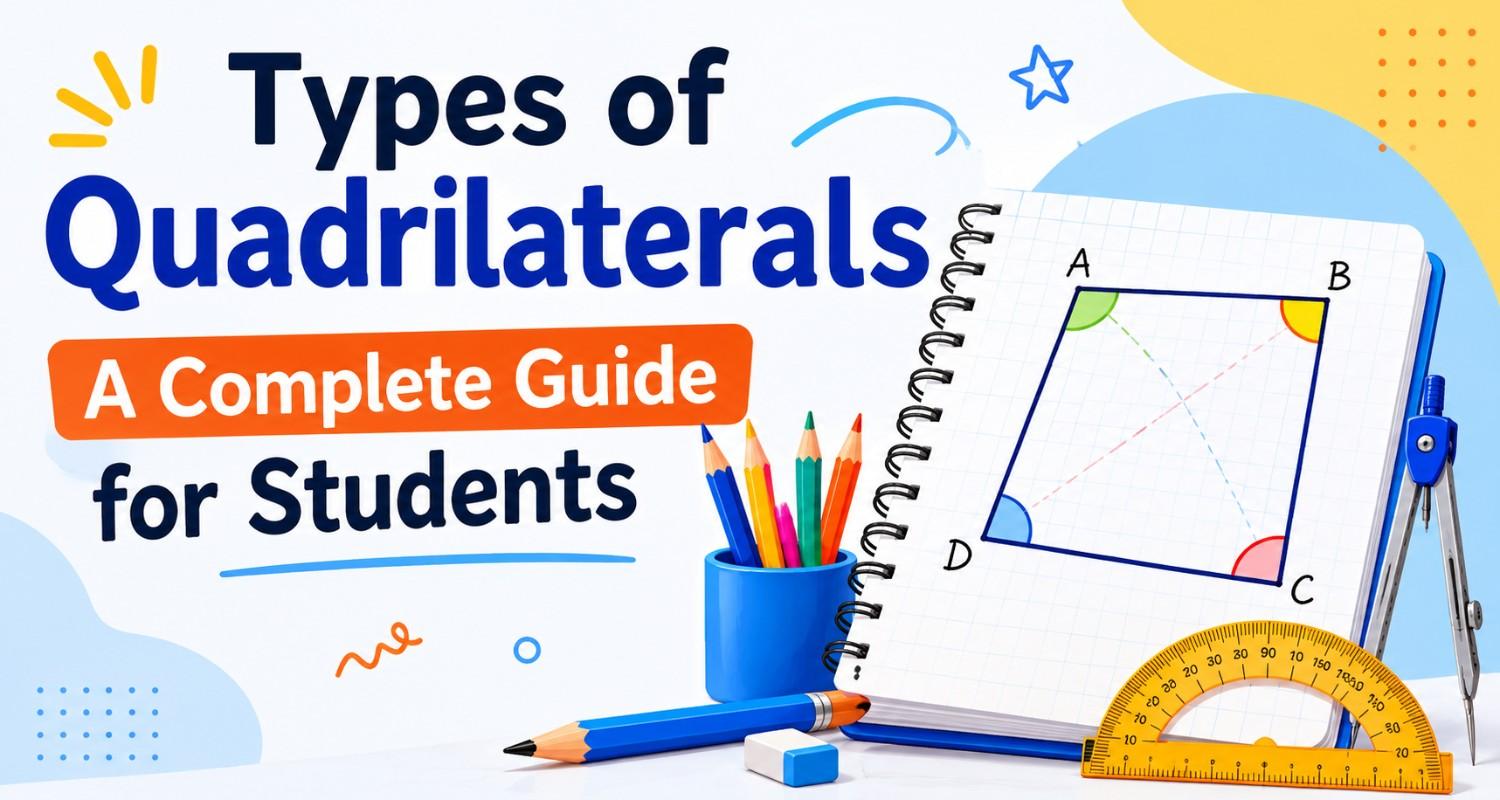
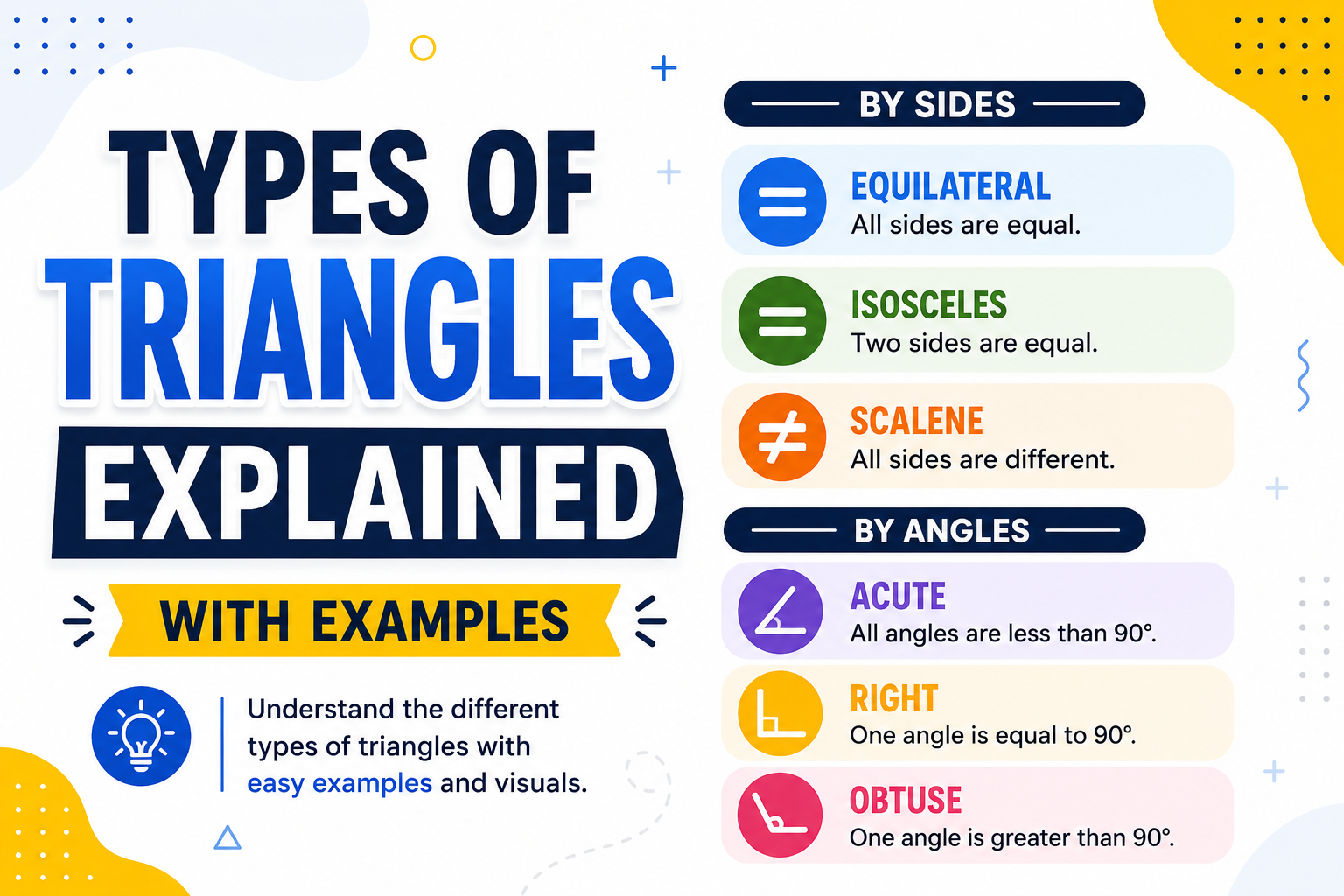
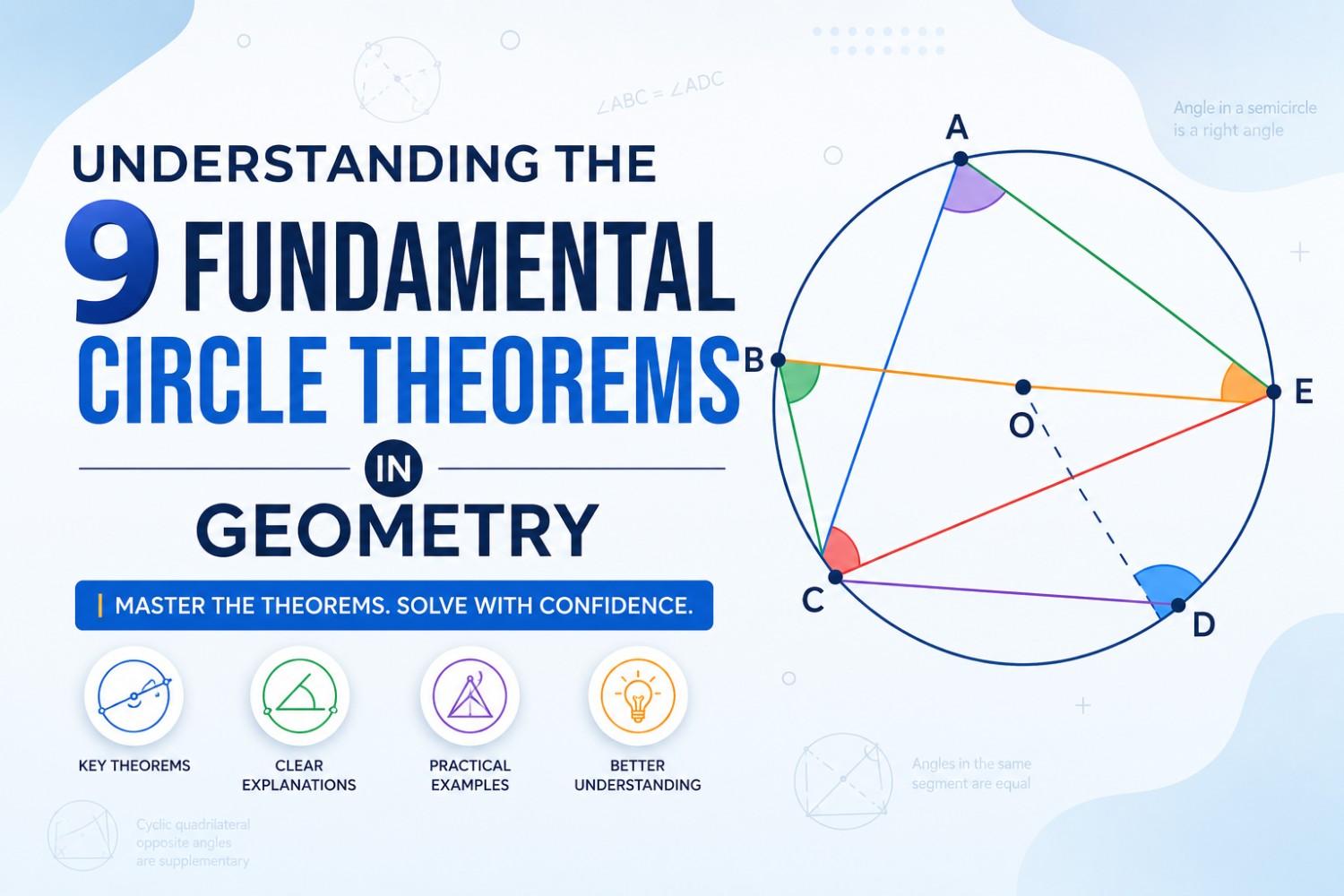
Geometry helps students understand shapes, angles, measurements, and spatial reasoning.
They learn:
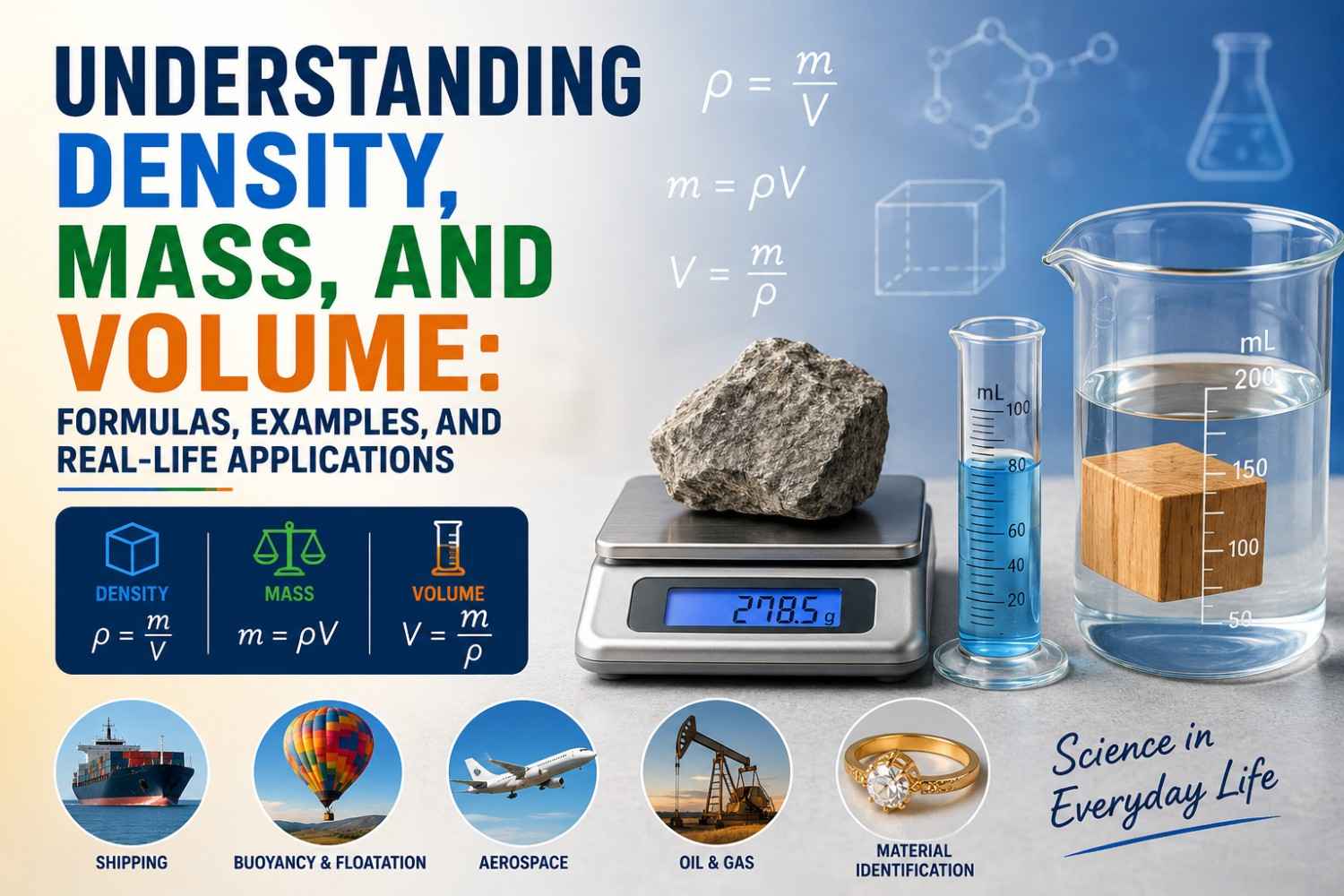
b. Area and Volume
Students calculate measurements for 3D shapes, such as:
Trigonometry is used to find missing sides and angles in triangles.
|
Topic |
Skills Learned |
|
Sine Rule |
Finding missing sides or angles |
|
Cosine Rule |
Solving non-right-angled triangles |
|
Area of a Triangle |
Using trigonometric formulas |
|
3D Trigonometry |
Solving problems in three dimensions |
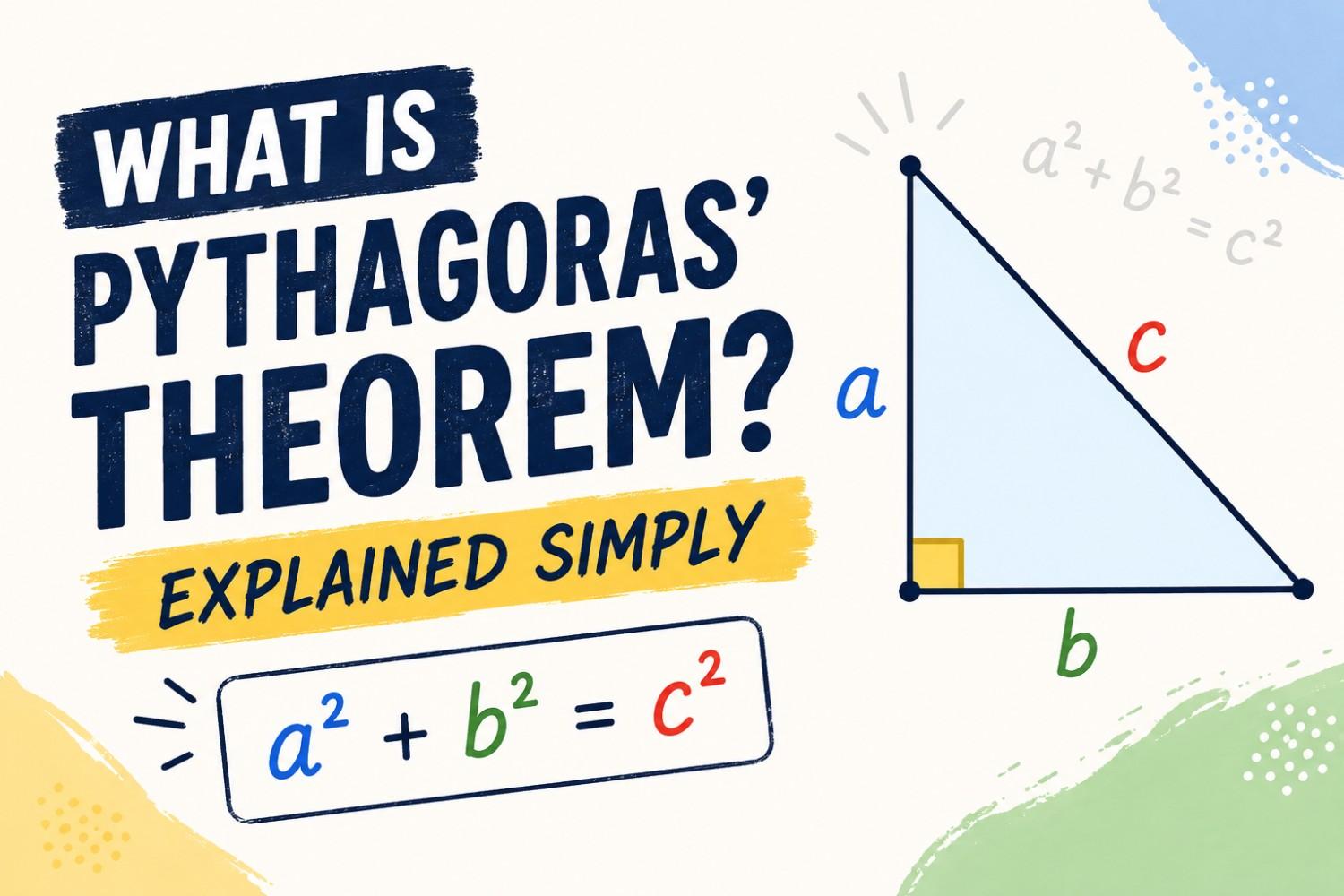
Students also apply Pythagoras’ theorem in 3D shapes.
Graphs help students understand mathematical relationships visually.
Students learn:
Students study different graph types, including
These topics improve interpretation and analytical skills.
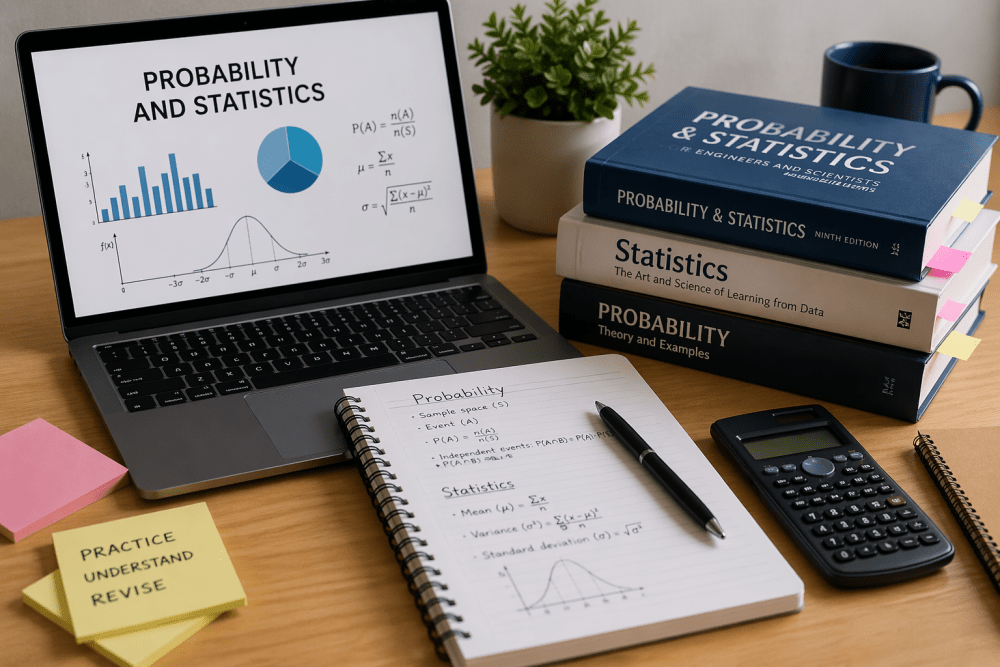
Statistics teaches students how to collect, analyse, and interpret data.
a. Averages from Grouped Data
Students calculate:
Frequency Polygons: Students draw and interpret data charts.
Cumulative Frequency: Students analyse cumulative data and estimate values.
Histograms: Students compare grouped data using histograms.
Box Plots: Students interpret the spread and distribution of data.
b. Ratio, Direct and Inverse Proportion
Ratio and proportion help students compare quantities and understand relationships between values.
In direct proportion:
Example:
In inverse proportion:
Example:
These skills are useful in science, engineering, and real-life calculations.
c. Skills Students Develop Through GCSE Maths
The GCSE Maths curriculum focuses on much more than calculations. Students also improve important life and career skills.
Key Skills Developed
These skills are valuable in many careers, including:
GCSE Maths is essential for further education and many career paths. Most colleges, universities, and employers require a good GCSE Maths grade.
A strong maths foundation also helps students in:
Math improves confidence and prepares students for future academic success.
The GCSE Maths curriculum helps students build essential mathematical knowledge and real-world problem-solving abilities. From algebra and graphs to geometry and statistics, each topic develops important analytical and logical skills.
Success in GCSE Maths comes from consistent practice, clear understanding, and regular revision. Students who build strong mathematical foundations often perform better in higher education and future careers.
With regular study and expert guidance from platforms like MathsAlpha Year 11 Online Maths Classes, students can improve confidence, strengthen mathematical understanding, and achieve better GCSE Maths results.
.png)
.png)
.png)
.png)
.png)
.png)
.png)
.png)
.png)
1.png)

.jpeg)



See our Trustpilot Excellent Reviews