




image

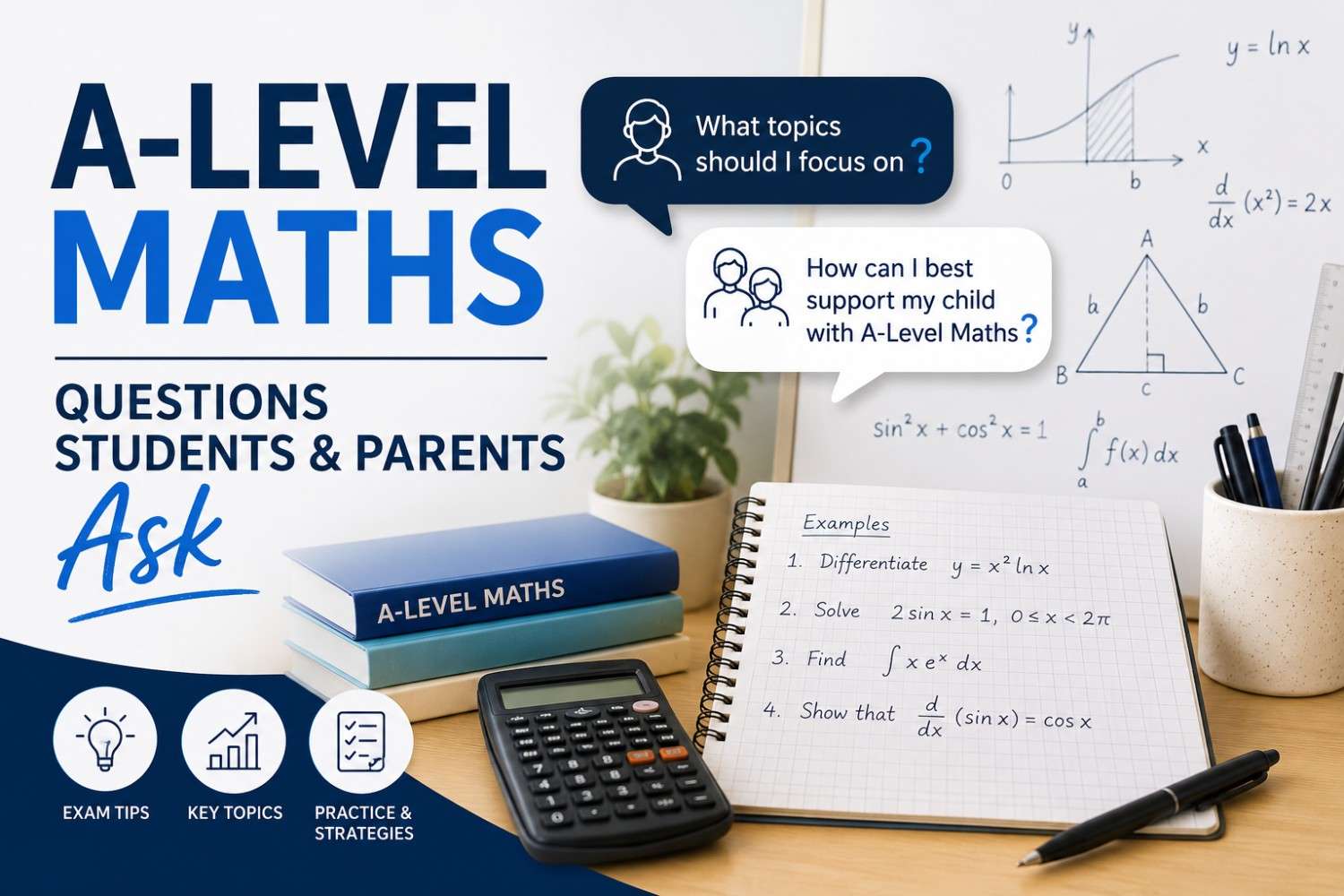
Choosing A-Level Maths is a common step for many students in the UK. It’s one of the most popular subjects because it opens doors to top university courses and a wide range of careers. But it can also feel challenging and raise many questions for both students and parents. 

This blog explains what A-Level Maths covers, why it matters, and how to succeed in it. Whether you want to learn about the course content, exam format, or available support, this guide answers the most common questions to help you make informed and confident decisions.

What Is A-Level Maths?

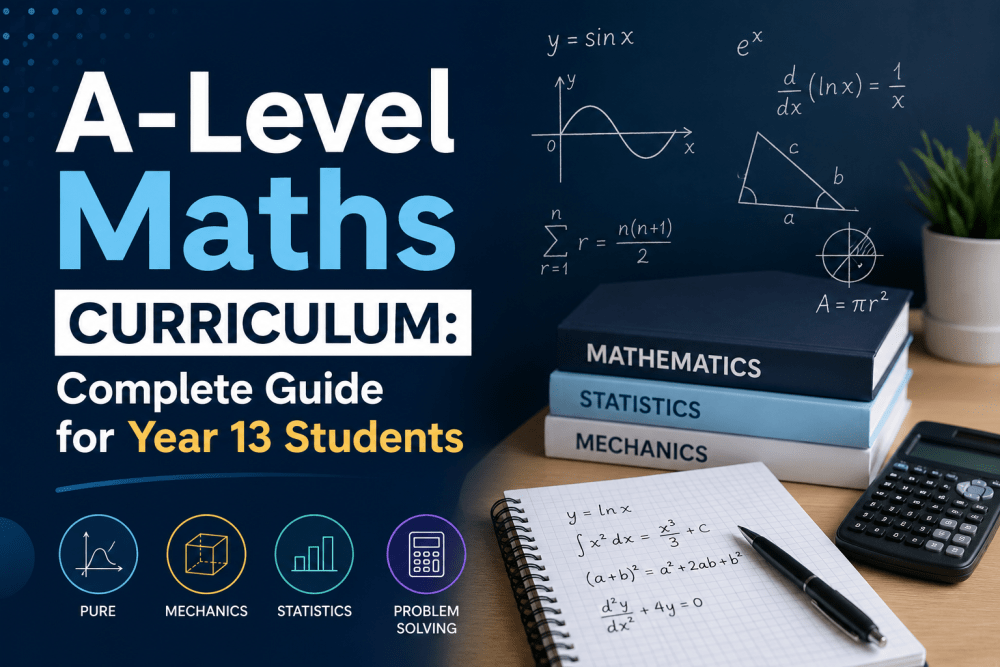
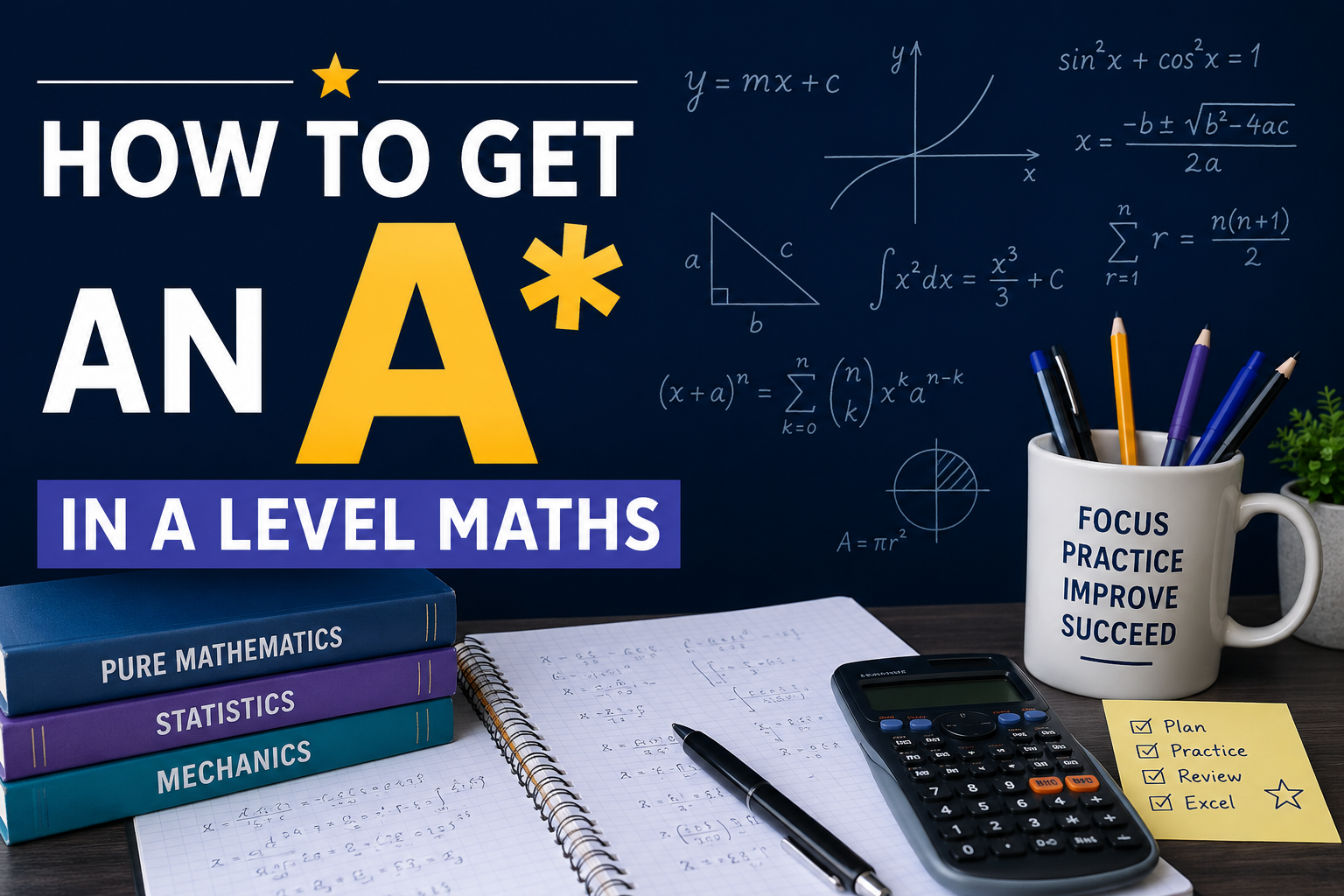
A-Level Maths is an advanced maths course. It builds on what students learn in GCSE Maths and covers more challenging topics like algebra, calculus, statistics, and mechanics. 

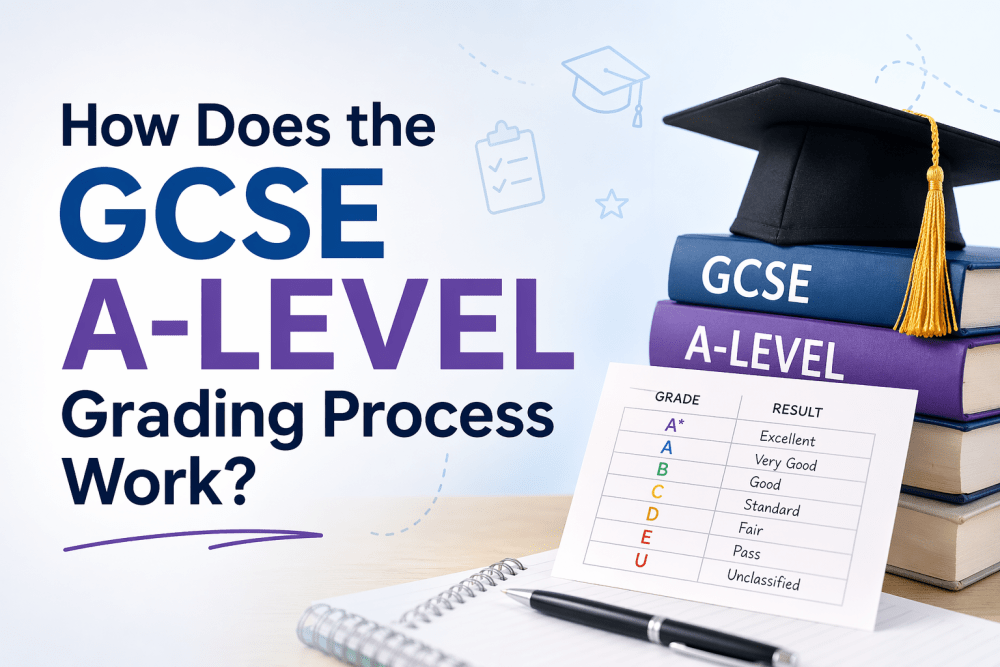
A-Level Maths exams test understanding through written papers, focusing on applying maths concepts to different problems. It is a key subject for students planning to study maths-related degrees or enter careers requiring strong numerical skills.

Why Choose A-Level Maths?

Many students pick A-Level Maths because:

  • It is required or preferred for university degrees in sciences, engineering, computer science, economics, and finance.
  • It improves problem-solving, logical thinking, and analytical skills, which are valued in almost every career.
  • It gives students a competitive edge in fields like banking, data analysis, medicine, and technology.

A-Level Maths is one of the most valued A-level subjects in the UK.

What Do Students Study in A-Level Maths?

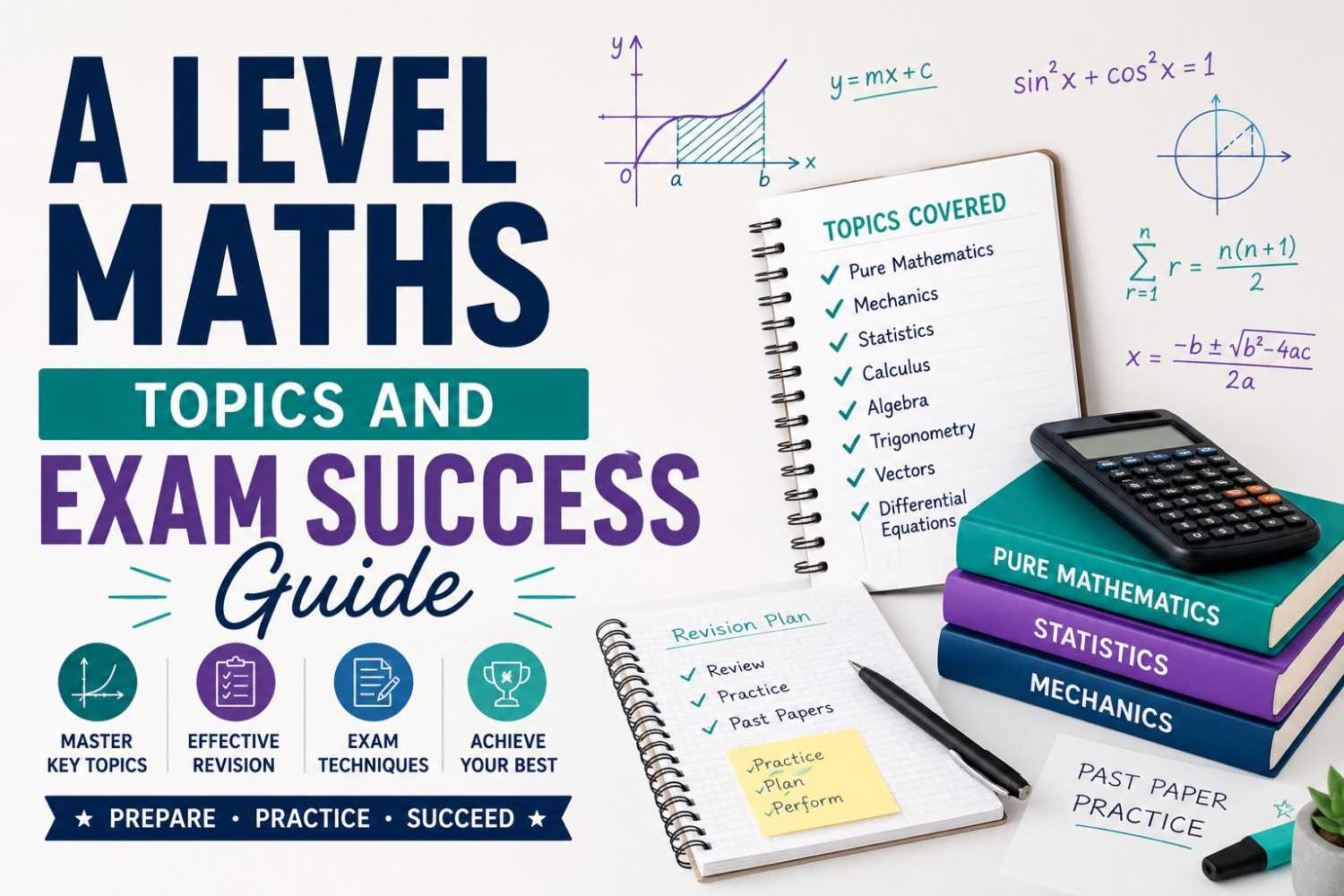
The course is divided into three main areas:

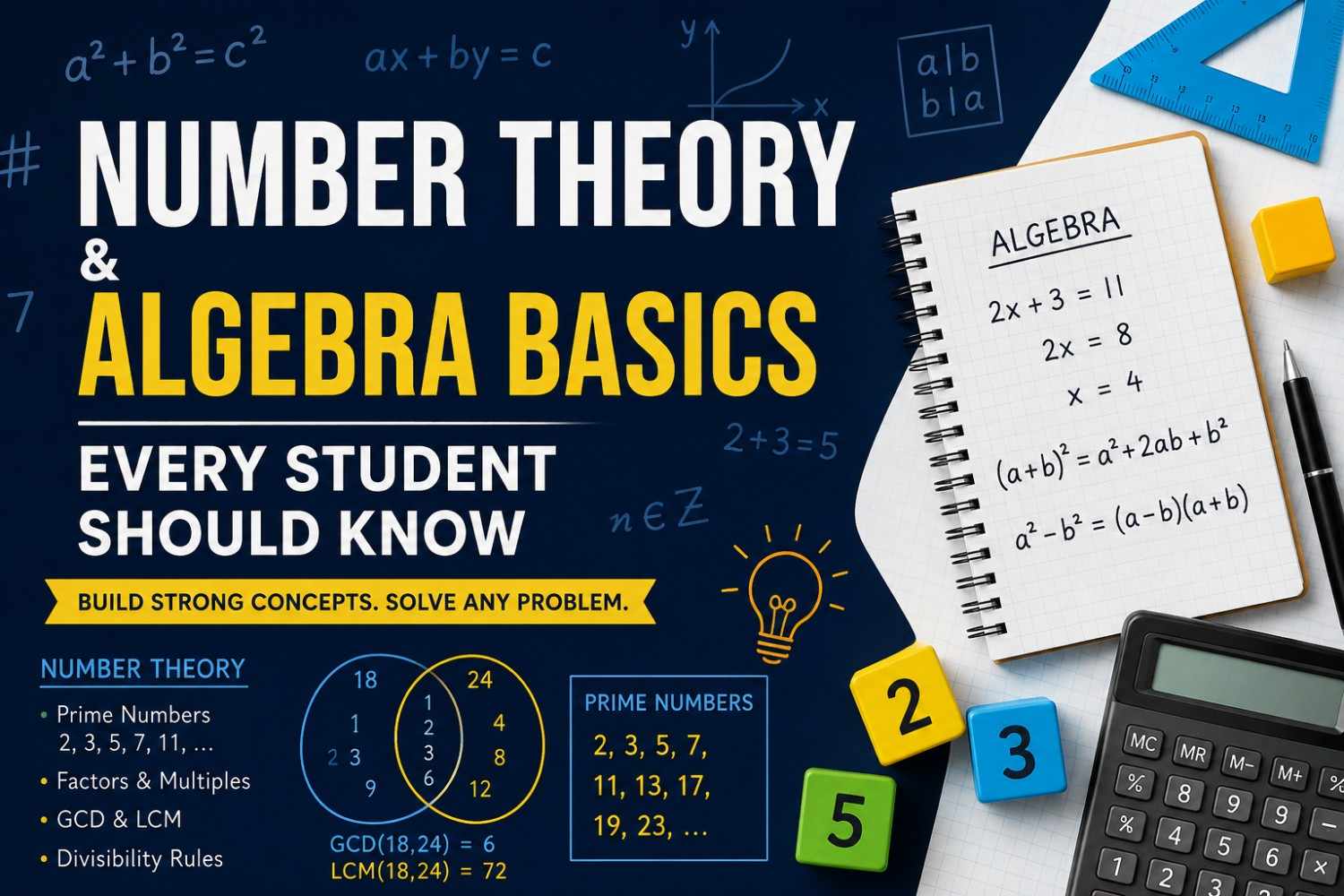
  1. Pure Maths: This includes topics like algebra, trigonometry, calculus, geometry, and mathematical proofs. It focuses on understanding mathematical theories and solving abstract problems.
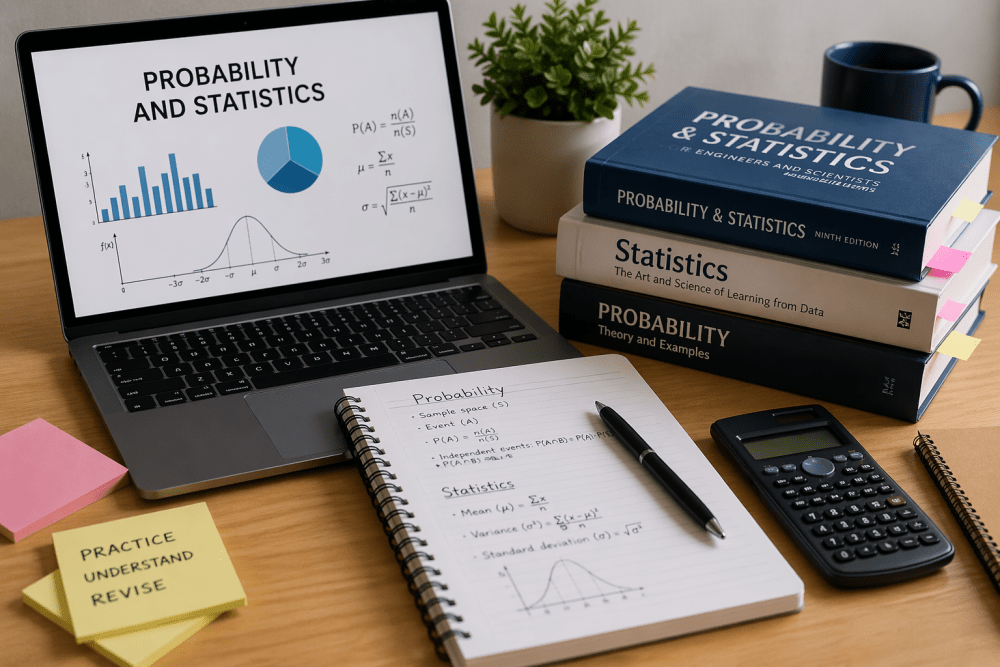
  2. Statistics: This covers collecting and analysing data, probability, averages, and statistical tests. It helps students learn how to interpret and work with numbers from real-life situations.
  3. Mechanics: This area applies math to physical concepts such as forces, motion, velocity, and energy, which is especially useful for students interested in physics or engineering.

Together, these topics build strong maths skills and prepare students for a wide range of exams and future studies.

How Is A-Level Maths Assessed?

A-Level Maths assessment is exam-based. There are no coursework elements for most students:

  • Examinations are usually spread across three papers at the end of Year 13.
  • Exams involve a mix of problem-solving, short questions, and longer written answers.
  • Calculators are allowed for some papers, so it’s vital to be comfortable using them.
  • Marks are awarded for correct answers and clear working - showing your method is crucial.

What Are the Biggest Challenges?

A-Level Maths is known for:

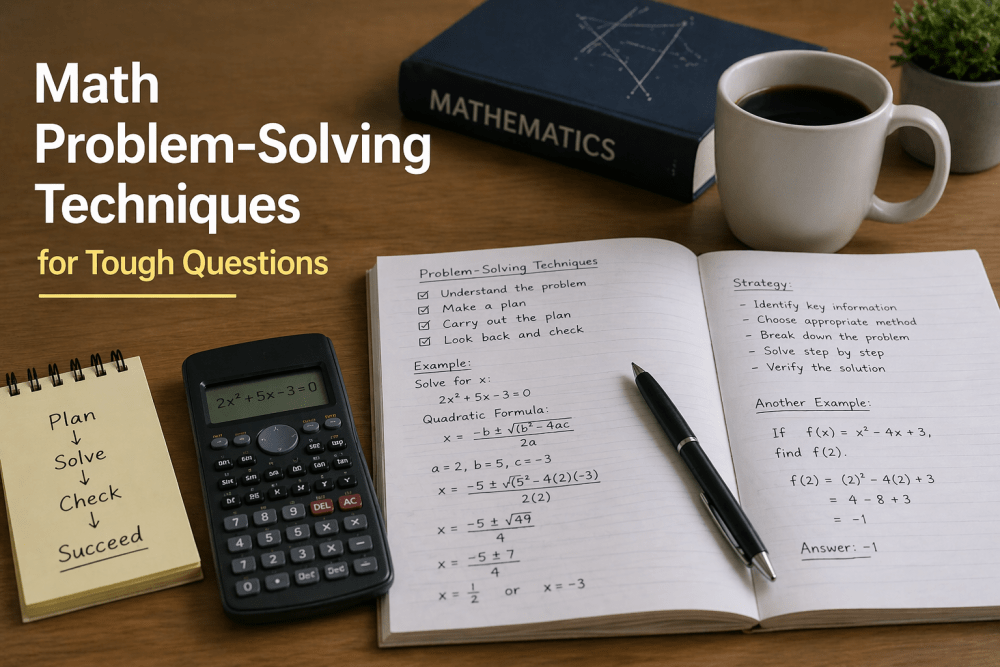
  • Fast-paced learning and complex topics, especially in pure maths and calculus.
  • High expectations for independent study and regular practice.
  • Moving beyond memorising formulas to applying concepts creatively.

Students often find the step up from GCSE difficult initially, but consistent effort pays off.

What Are the Tips for Parents?

Supporting a child through A-Level Maths is easier with these steps:

  • Understand the course content and exam structure - even a basic overview helps.
  • Encourage a regular study routine, balancing maths practice with breaks.
  • Help source quality revision materials and exam practice papers.
  • Communicate with teachers about progress and targets.
  • Be positive and patient when your child finds topics tough - reassurance is key.

What Are Alternatives to A-Level Maths?

Students not wishing to pursue maths at A-level but still wanting some mathematical concepts can consider:

  • A-Level Further Maths: For those looking to go deeper or join mathematically intensive university courses.
  • Core Maths: A Level 3 qualification aimed at those who want useful maths skills for other subjects (like psychology or business).
  • Applied Maths and Statistics: Specific courses in colleges tailored to vocational or practical maths skills.

These alternatives keep maths in a student’s education but with different emphases.

Who should take A-Level Maths?

A-Level Maths is suitable for students who enjoy working with numbers and solving problems.

  • Those planning to study science, technology, engineering, or maths at university.
  • Students interested in careers in finance, economics, or data analysis.
  • Anyone wanting to build strong analytical and logical thinking skills.
  • Students are willing to study regularly and practice challenging maths concepts.
  • Those who want a respected qualification that opens many future opportunities.

Interested in mastering A-Level Maths? MathsAlpha offers expert guidance and support to help you understand concepts clearly and achieve the best exam results. Contact us today for Maths classes in the UK. To get started, email us at info@mathsalpha.com  or call +44 7834 229046.

Trustpilot Stars