Zero, the number that changed mathematics forever, has its roots in ancient India. Indian mathematician and astronomer Aryabhata introduced zero as a concept and placeholder in the 5th century, laying the foundation for the modern decimal system.
Later, Brahmagupta defined the rules for zero, advancing its role in calculations. Their pioneering work transformed math and science, making zero an essential part of our number system and daily life.
Ancient Origins of Zero
The story of zero begins in ancient India, where it evolved from a simple placeholder to a powerful mathematical concept. This journey shaped the foundation of modern mathematics.
Ancient Indian texts, like the Bakhshali manuscript, reveal early uses of zero as a dot to indicate empty places in numbers. Aryabhata introduced zero’s role in positional notation in the 5th century.
Later, Brahmagupta defined arithmetic rules for zero, establishing it as a number with unique properties. These breakthroughs transformed counting and calculations, influencing mathematics worldwide, making zero a true mathematical marvel.
Brahmagupta: The Pioneer of Zero
Brahmagupta was a pioneering mathematician who transformed our understanding of zero. Living in the 7th century, he was the first to treat zero as a number with defined rules, not just a symbol for absence.
Key points of Brahmagupta's contributions:
- Defined zero as the middle ground between positive and negative numbers.
- Established rules for addition, subtraction, and multiplication involving zero.
- Introduced concepts related to negative numbers, calling them 'debts'.
- Discussed division by zero, though some ideas were later refined.
- His work laid the foundation for modern arithmetic and algebra.
Brahmagupta's insights still shape mathematics today, highlighting his role as a true pioneer of zero.
How Zero Changed Maths
Zero transformed maths by introducing the concept of 'nothing' as a number and a placeholder, which was revolutionary. This simple symbol opened the door to advanced calculations, algebra, calculus, and modern computer science.
-
The Birth of a Mathematical Revolution
Before zero, calculations were limited and error-prone. Zero introduced the idea of 'nothingness' while enabling positional notation, making numbers clearer and computations easier.
-
Placeholder and Position Value
Zero serves as a placeholder in the decimal system. This makes numbers like 102 and 1002 distinct, helping us understand the value based on position, a concept impossible without zero.
-
Foundations for Algebra
With zero, mathematicians could solve equations and understand unknowns better. Algebra’s development heavily relied on zero, as it allowed for equations to represent nothing or empty values.
-
Opening Doors to Calculus
Zero’s concept made calculus feasible by allowing limits and infinitesimal changes to be studied, laying the groundwork for understanding continuous change in mathematics and the physical world.
-
Introduction of Negative Numbers
Zero acts as the boundary between positive and negative numbers. This helped expand number systems and solve real-world problems involving debts, temperatures, and more.
-
The Digital Age and Binary Code
Modern computing depends on zero and one. Binary code, the language of computers, represents information in two states, made possible by zero’s existence.
Zero’s invention by Indian mathematicians like Aryabhata and Brahmagupta not only changed how we calculate but also opened up entire new branches of mathematics and technology that define our world today.
Zero in Modern Times
Zero continues to shape the modern world in remarkable ways. Its presence goes far beyond math, influencing technology and daily life.
- Digital Computing: Zero is fundamental to binary code, the language of all modern computers, enabling digital technology and software development.
- Engineering and Science: Zero allows precise calculations and measurements crucial for advancements in engineering, physics, and space exploration.
- Financial Systems: Zero plays a key role in accounting, banking, and economic models, supporting accuracy in complex financial transactions.
- Artificial Intelligence: AI systems use zero in algorithms and data processing, driving innovations in machine learning and automation.
- Zero UI Technology: Emerging technologies promote interaction without screens, relying on gestures and voice, ideas tied conceptually to zero’s role as an absence or placeholder.
- Everyday Use: From temperature scales to calendars, zero helps organise and represent the world clearly, underpinning how people understand quantities and timing daily.
Zero’s journey from ancient India to modern technology showcases its timeless importance and how it quietly powers our future. Its invention was a turning point, enabling innovations that shape our daily lives in profound ways. This tiny digit truly carries immense power behind its simplicity.
If you have more questions about ancient maths or need help with any other math topics, MathsAlpha is here to support you. We have qualified tutors passionate about making math easy and enjoyable.
Looking for expert maths classes for your child? MathsAlpha offers expert tutoring for students from Year 7 to Year 11, GCSE, and A-Level Maths. Our tailored lessons help build confidence, improve understanding, and boost grades. Whether your child needs help with basics or advanced topics, we provide personalised attention and supportive learning environments.
Contact us today for Maths Classes in the UK. Mail us at info@mathsalpha.com or call us at +44 7834 229046 to schedule a session or learn more. Let MathsAlpha help your child excel and develop a lasting love for mathematics.
Frequently Asked Questions
Recent Blogs
-
15 Jan 2026How Much Does a Maths Tutor Cost?
-
14 Jan 2026How to Make a Revision Timetable for Exams
-
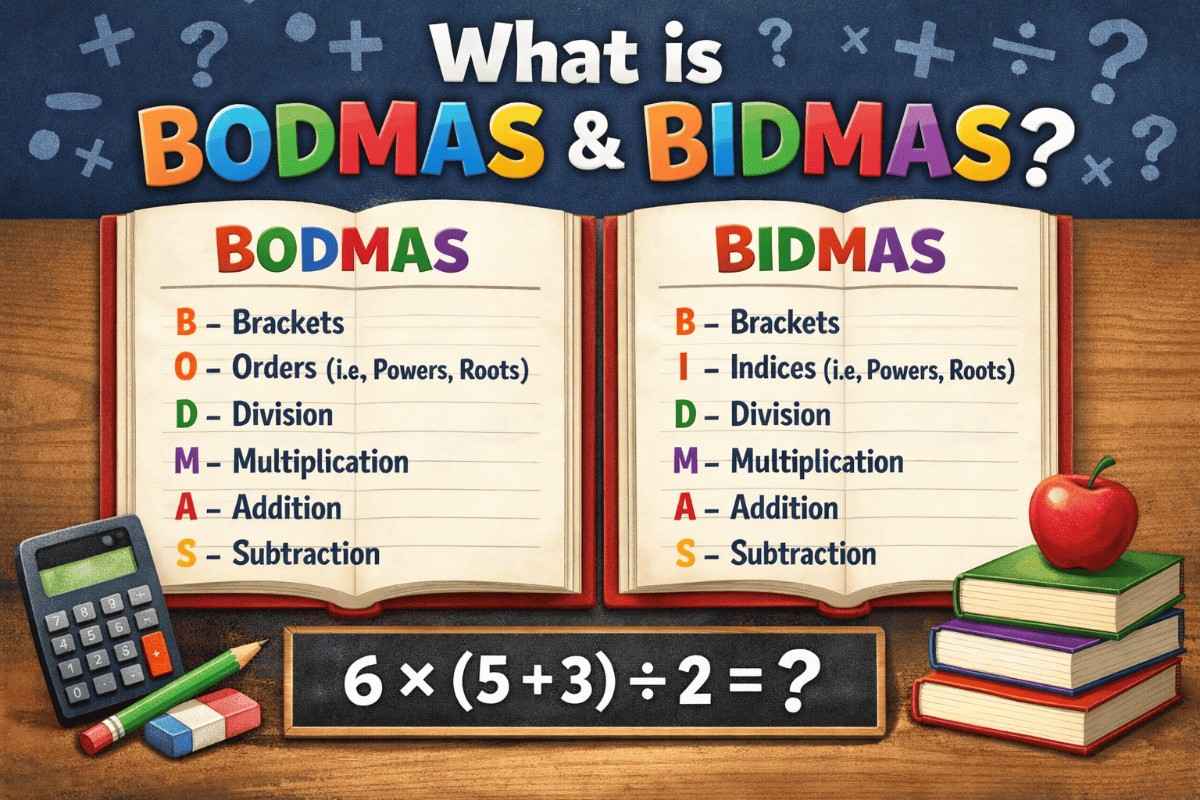
08 Jan 2026What Is BODMAS and BIDMAS?
-
03 Jan 2026How to Calculate Probability for GCSE Maths
-
-
04 Dec 2025A-Level Maths Questions Students and Parents Ask
-
18 Nov 2025Why Do Kids Struggle with Geometry?
-
11 Nov 2025What Is A Prime Number?
-
-
03 Oct 2025How to Get an A* in A Level Maths
-
-
25 Sep 20255 Tips for Success in Maths Exams
-
16 Sep 2025How Maths Is Used in Everyday Life - 11 Examples
-
09 Sep 2025GCSE Maths Guide for Parents and Students
-
05 Sep 2025What is the Year 9 Maths Curriculum?
-
04 Sep 2025Algebra Guide for Parents to Support Children
-
01 Sep 2025A Level Maths Topics and Exam Success Guide
-
23 Aug 2025What is Covered in Year 7 Maths Curriculum?
-
19 Aug 2025Difference Between GCSE Maths and A Level Maths
-
12 Aug 2025How to Choose the Right Maths Tutor in the UK?