






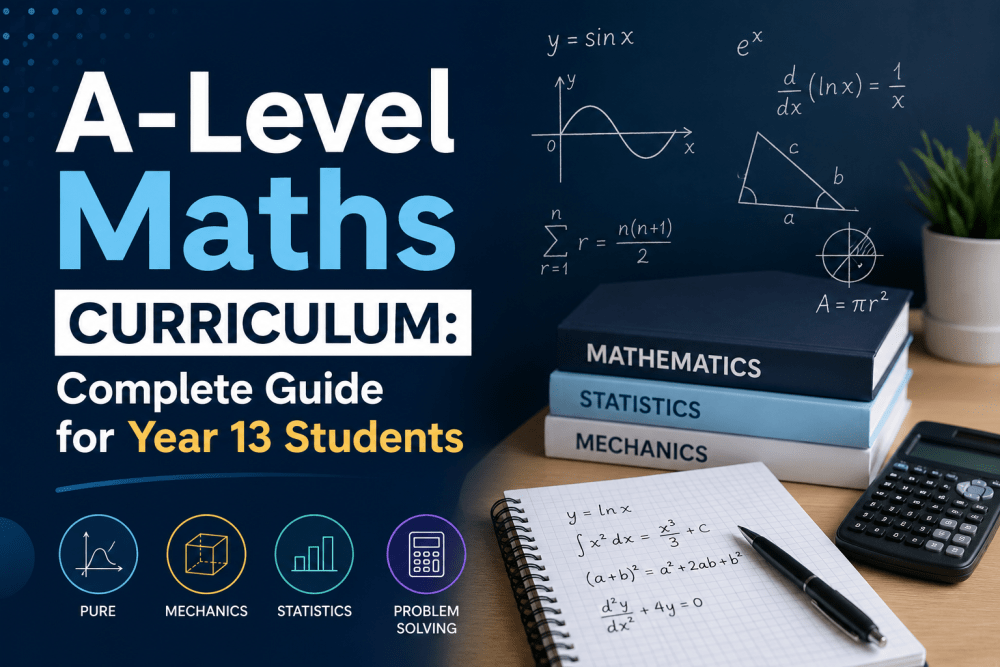
The Mathematics curriculum is one of the most respected qualifications in the UK education system. It is also considered academically challenging. Designed for students in Year 13, A-Level Maths develops advanced problem-solving skills.
It also strengthens logical reasoning and analytical thinking. These skills are important for university courses. They are also valuable for careers in engineering, finance, economics, computer science, data science, and physics.
As students move from GCSE Maths to A-Level Maths, many notice a major increase in difficulty. The syllabus becomes more concept-focused. Students need a deeper understanding of topics instead of simple memorisation.
Because of this, structured guidance becomes very important. Regular practice also plays a key role in success. Expert tutoring helps students improve performance and achieve higher grades.
According to MathsAlpha, students who receive personalised support often gain more confidence. They also tend to perform better academically. Their Year 13 online maths programmes are designed for major UK exam boards. These include AQA, Edexcel, and OCR.
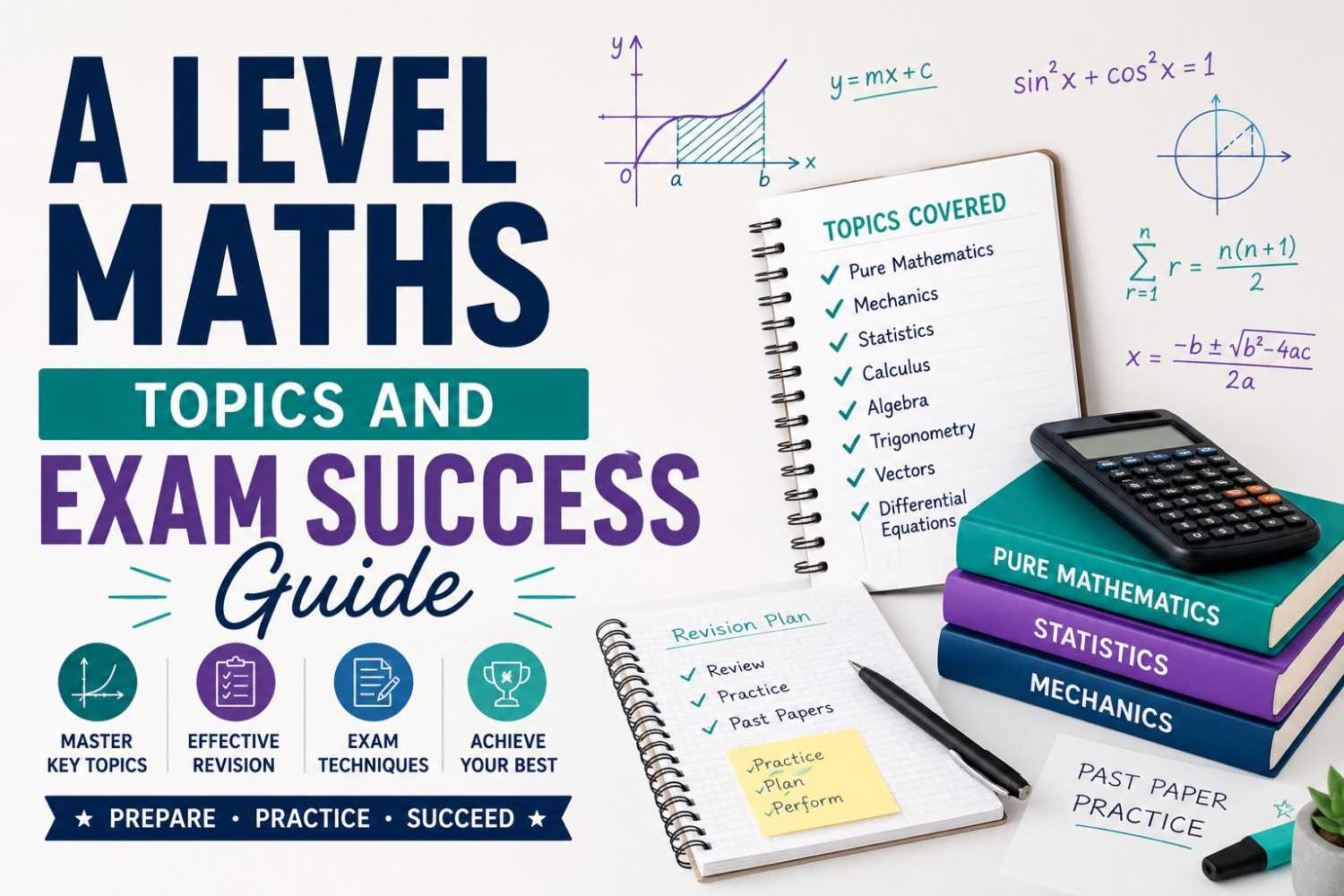
The A-Level Maths curriculum is generally divided into three major components:
These topics are studied across two academic years and gradually progress from foundational concepts to advanced applications.
Pure Mathematics forms the core of the A-Level syllabus. It develops algebraic manipulation, calculus techniques, and mathematical reasoning.
Key Year 13 topics include:
Calculus becomes especially important in university-level STEM courses and real-world applications involving rates of change, optimisation, and modelling.
Statistics teaches students how to analyse and interpret data accurately. This section is increasingly valuable in modern careers involving business analytics, finance, research, and artificial intelligence.
Topics commonly include:
These concepts help students develop evidence-based decision-making skills.
Mechanics applies mathematics to physical motion and forces. It combines algebra, vectors, and calculus with real-world physics applications.
Major topics include:
Mechanics is particularly useful for students planning careers in engineering, physics, or architecture.
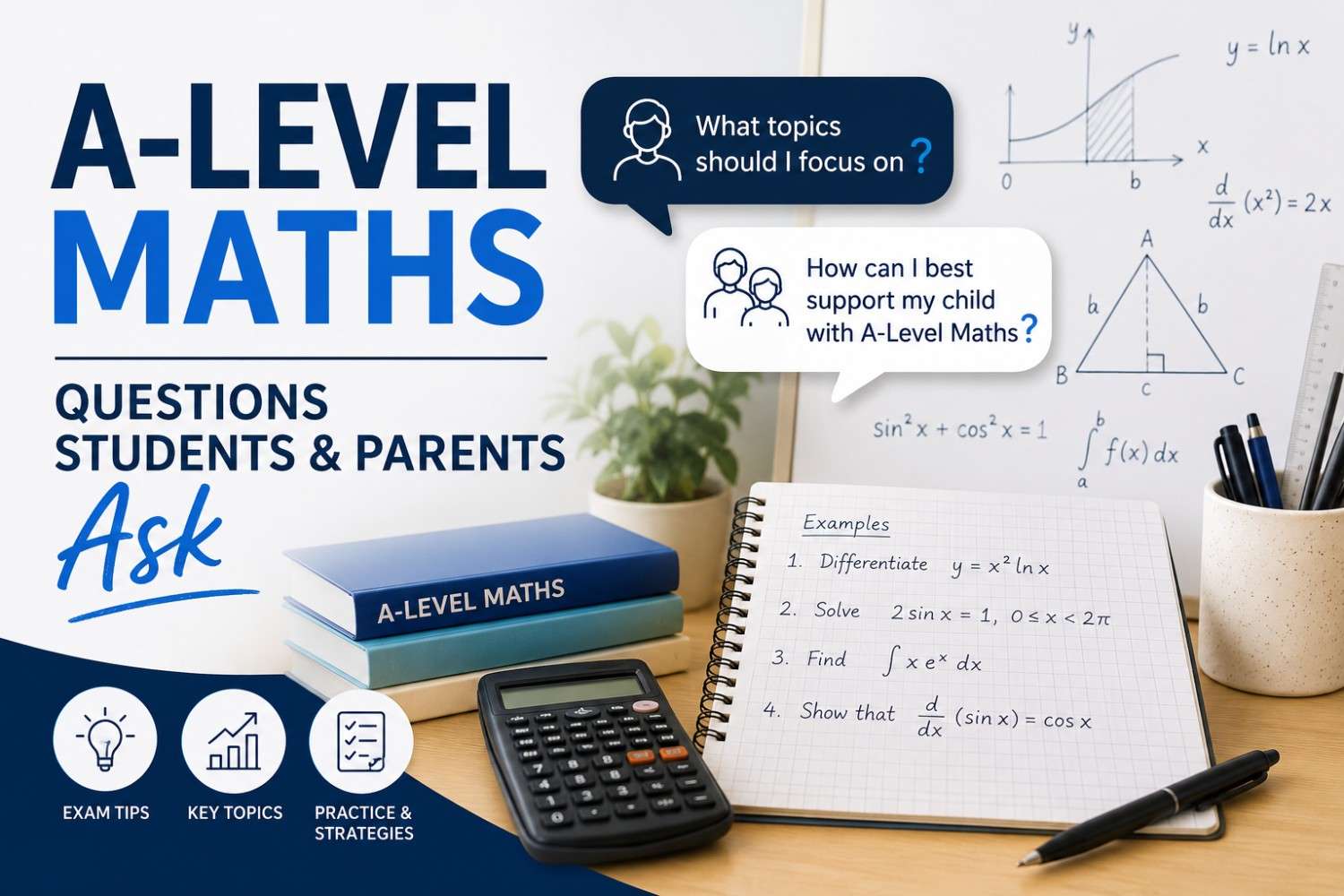
Many students struggle with A-Level Maths because the subject requires consistent practice and conceptual understanding. Unlike GCSE Maths, questions are often multi-step and application-based.
Several online student communities discussing A-Level Maths emphasise that success depends heavily on structured revision, exam practice, and strong foundational understanding.
Common challenges include:
This is why many families now choose online tutoring platforms that provide personalised support and targeted exam preparation.
The MathsAlpha offers specialised online maths classes for Year 13 students following the UK curriculum. Their tutoring programmes focus on helping students master difficult topics while improving exam confidence and problem-solving skills.
Some of the key benefits of studying with MathsAlpha include:
Their teaching approach simplifies complex mathematical ideas and helps students understand how marks are awarded in actual A-Level examinations. According to testimonials published on their platform, many students have improved grades significantly and secured admission to their preferred universities.
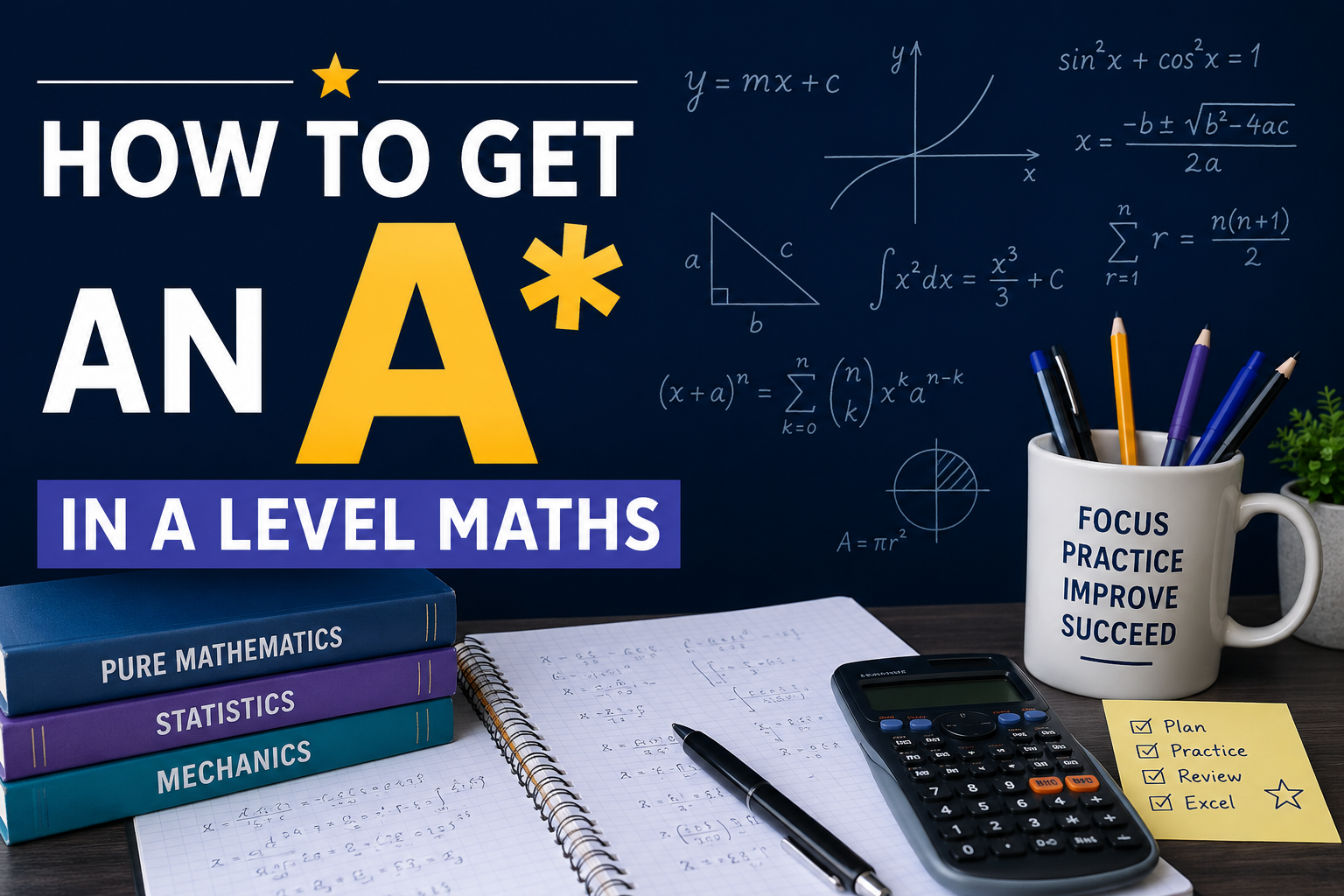
Students aiming for high grades should focus on building strong mathematical habits early in Year 13.
Here are some effective strategies:
Consistent practice is essential. Even 30–60 minutes daily can improve retention and confidence.
Avoid memorising formulas without understanding their applications.
Past paper questions help students recognise exam patterns and improve time management.
Analysing errors is one of the fastest ways to improve exam performance.
Working with experienced tutors can significantly improve understanding and reduce exam stress.
The A-Level Maths curriculum is academically demanding but highly rewarding. It develops analytical thinking, logical reasoning, and quantitative skills that are valuable across numerous university degrees and careers. With the right guidance, structured revision, and expert support, students can achieve excellent results and build strong mathematical confidence.
Platforms like MathsAlpha provide personalised online tutoring designed specifically for Year 13 students preparing for A-Level examinations. Their curriculum-aligned teaching, flexible online classes, and exam-focused approach make them a valuable learning partner for students aiming for top grades.
Regular practice, past paper revision, understanding concepts thoroughly, and getting expert tutoring support can help significantly.
Yes. Online tutoring provides personalised support, flexible learning, and targeted exam preparation that can improve grades and confidence.
MathsAlpha offers personalised online tutoring, experienced UK-curriculum tutors, flexible schedules, and exam-focused teaching methods designed to help students achieve higher grades.
A-Level Maths is highly valuable for careers in engineering, finance, economics, computer science, architecture, data science, and scientific research.
The main UK exam boards are AQA, Edexcel, and OCR.




.png)
.png)
.png)
.png)

.png)
.png)
.png)
.png)
.png)
.png)
1.png)


.jpeg)



See our Trustpilot Excellent Reviews