







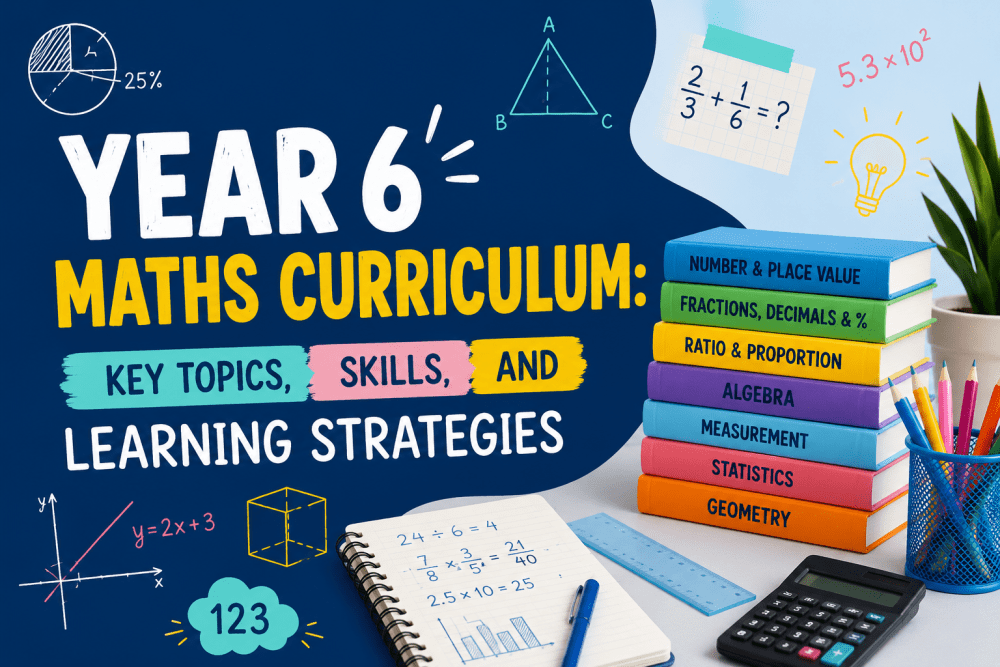
As children approach the final stage of primary school, maths becomes more focused on problem-solving, reasoning, and applying knowledge to everyday situations. The Year 6 Maths Curriculum helps students strengthen their confidence before moving into secondary education. It introduces more advanced numerical concepts while encouraging logical thinking, accuracy, and independent learning habits.
Year 6 maths builds on previous learning and prepares students for future academic challenges. Pupils learn how to work with larger numbers, interpret data, solve multi-step problems, and apply mathematical reasoning in practical contexts.
Students at this stage explore several important mathematical topics that improve both confidence and analytical skills. These areas support classroom learning and help children develop a stronger understanding of real-world maths applications.
Children work with larger whole numbers and deepen their understanding of place value. They learn to compare, order, round, and calculate with numbers efficiently. Mental maths strategies and written methods are practised regularly to improve speed and accuracy.
Key learning areas include:
These skills help students become more comfortable handling complex calculations in daily life.
This topic develops numerical fluency and encourages flexible thinking. Pupils learn how different forms of numbers relate to one another and how to apply them in practical situations such as shopping, measurements, and budgeting.
Students usually focus on:
A strong understanding of these concepts supports future algebra and financial literacy skills.
Algebra introduces students to mathematical relationships and unknown values. Learners begin recognising patterns, using symbols, and solving simple equations. This area encourages logical thinking and problem-solving abilities.
Children typically learn how to:
Early exposure to algebra helps students transition more smoothly into secondary school mathematics.
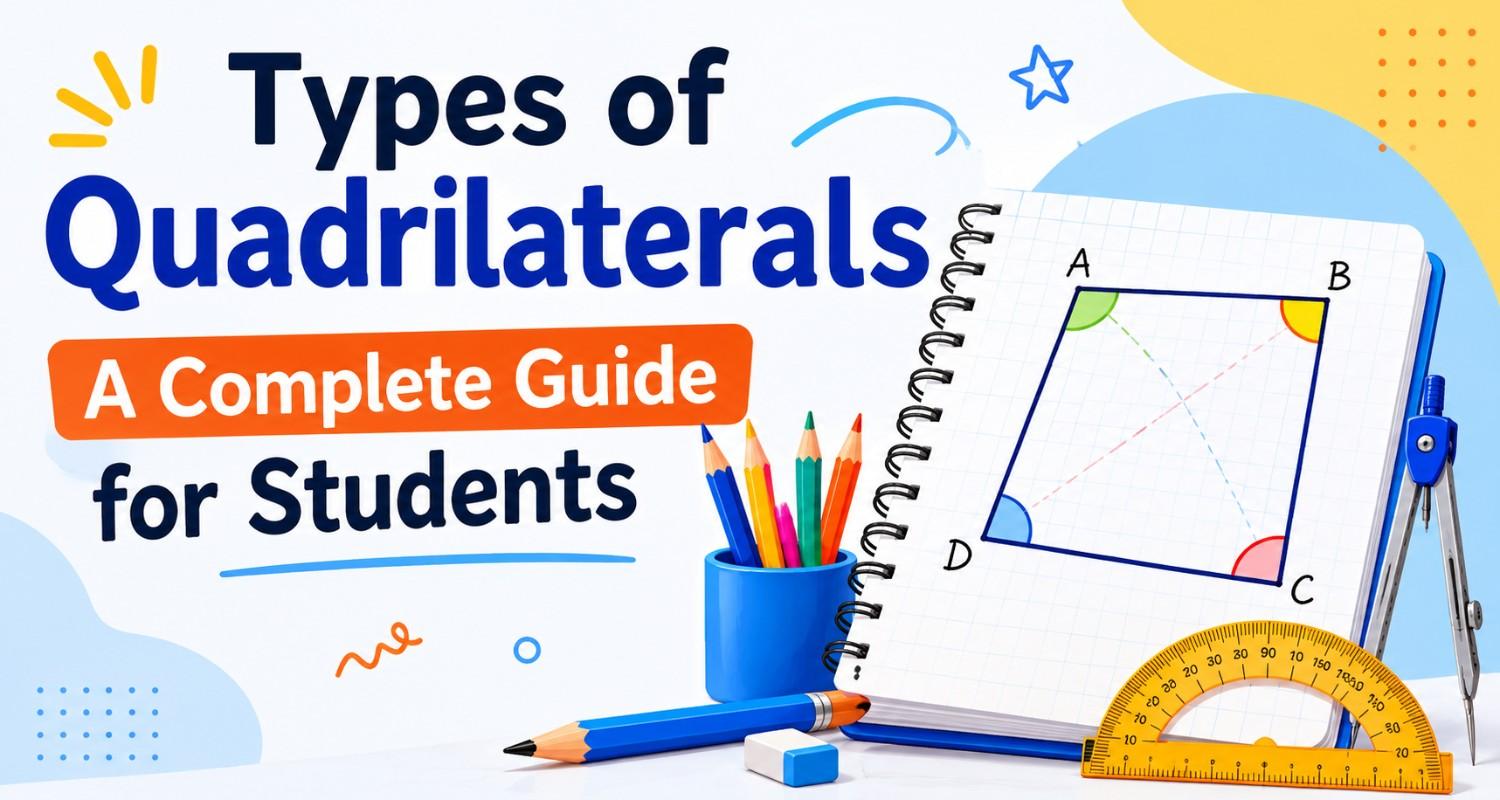
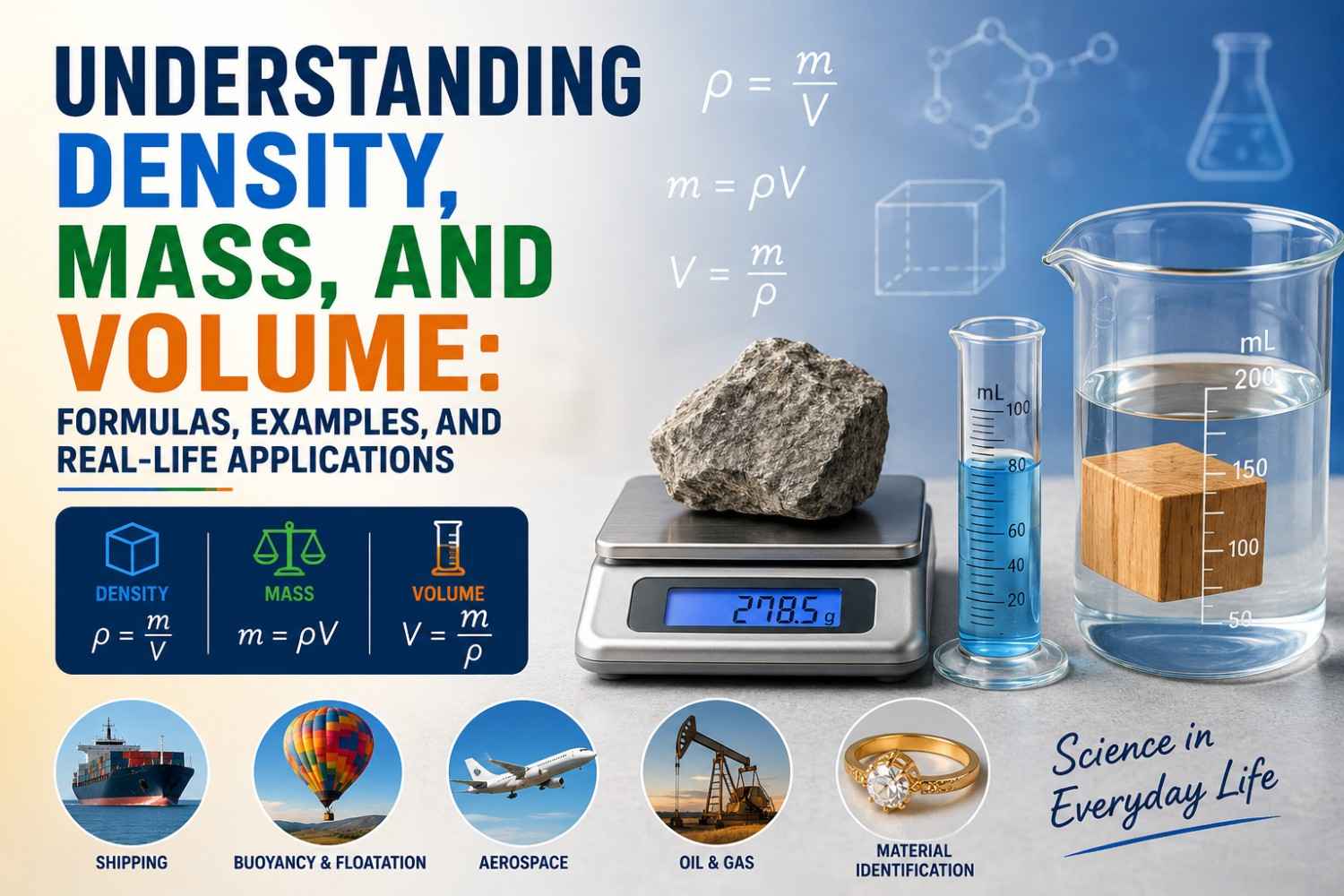
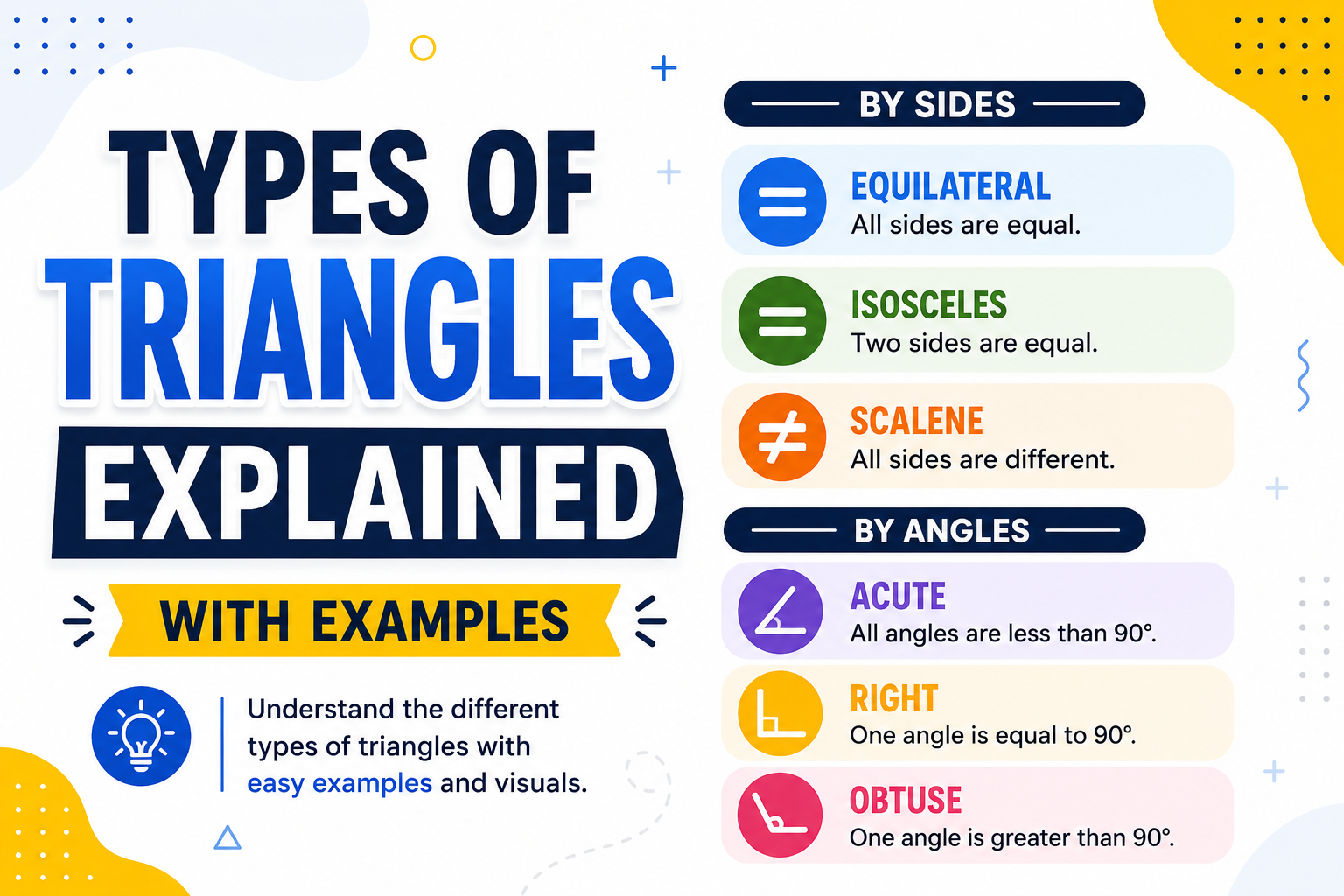
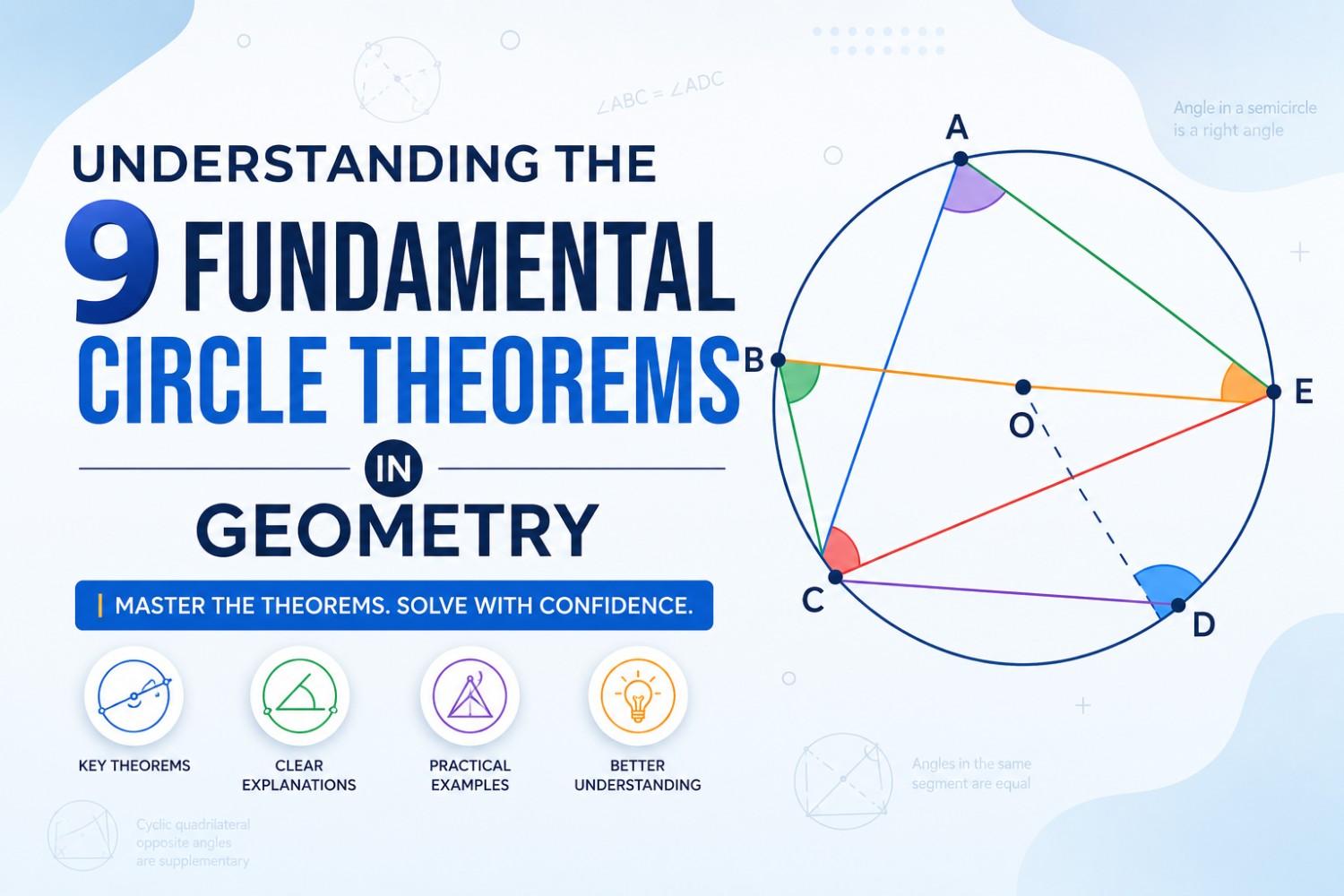
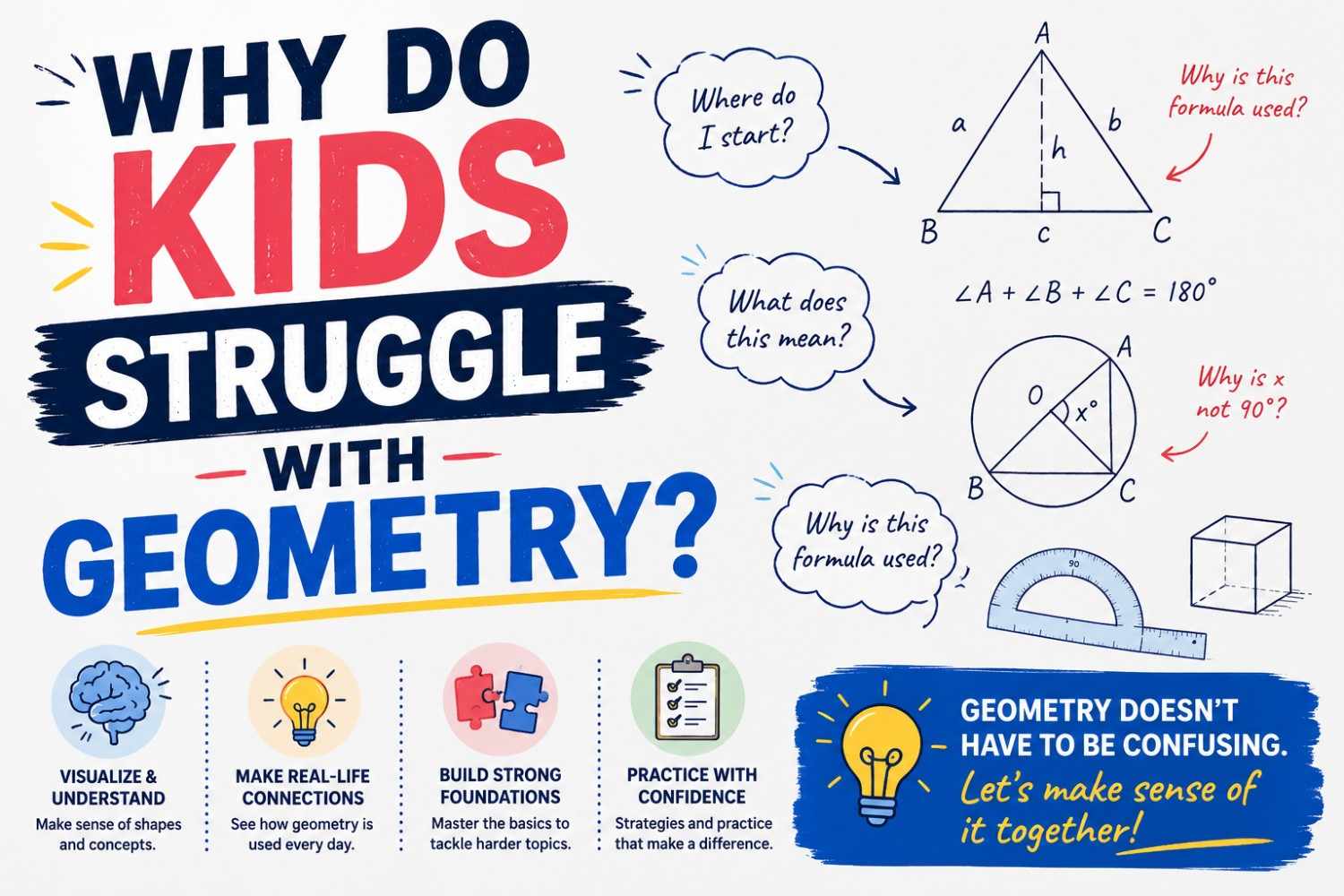
Geometry helps learners understand shapes, space, and measurement in everyday life. Students explore angles, symmetry, perimeter, area, and volume while improving their spatial reasoning skills.
Important topics include:
These lessons encourage visual thinking and practical application of maths concepts.
At this stage, children begin using maths to solve more realistic and challenging problems. Ratio and proportion activities help them compare quantities and identify relationships between values.
Students practise:
This area strengthens reasoning skills and improves mathematical confidence.
Data interpretation becomes more detailed in Year 6. Pupils learn how to read charts, analyse information, and present findings clearly.
Topics often include:
These skills are useful in science, geography, and everyday decision-making.
Parents and teachers play an important role in helping children succeed. Regular practice, positive encouragement, and practical activities can make learning maths more enjoyable and less stressful.
Helpful strategies include:
Many online maths programmes also provide structured lessons, tutor feedback, and progress tracking to support learning at home. Small-group sessions and personalised guidance can help students stay motivated and improve areas where they need extra support.
Parents who understand the Year 6 Maths Curriculum can better support their child’s preparation for secondary school. At this stage, students develop critical thinking, independent learning habits, and stronger reasoning skills, while also becoming more confident in solving unfamiliar problems and applying mathematical concepts in different situations.
Strong mathematical foundations are valuable beyond the classroom, as children use maths in everyday activities such as budgeting, measuring, interpreting information, managing time, and making logical decisions. Confidence in maths can also improve performance in science, technology, and other academic subjects. With consistent practice and the right support, learners can approach secondary education feeling more prepared, confident, and motivated to succeed.
The Year 6 Maths Curriculum in the UK helps students build strong mathematical foundations before moving to secondary school. By learning topics such as fractions, algebra, geometry, and problem-solving, children improve their confidence, reasoning, and analytical skills. Regular practice and proper guidance can make maths more engaging and easier to understand.
The MathsAlpha offers expert online maths classes with experienced tutors, personalised support, and interactive lessons designed to help students achieve better results. Their structured learning approach supports children at every stage of their maths journey. For course details or enquiries, contact MathsAlpha at info@mathsalpha.com or call +44 7834 229046.
Students commonly study numbers, fractions, percentages, algebra, geometry, measurement, ratio, and statistics to prepare for secondary school learning.
Parents can encourage regular practice, use real-life maths examples, create positive learning routines, and provide support when children struggle with difficult concepts.
It helps children strengthen problem-solving skills, improve reasoning abilities, and build confidence for more advanced mathematical topics in later years.
Online lessons can provide structured learning, interactive exercises, personalised feedback, and flexible study options that support classroom education.
Short daily practice sessions are often more effective than long study periods. Consistent revision helps improve accuracy, understanding, and confidence over time.





.png)
.png)
.png)
.png)
.png)
.png)
.png)
.png)
.png)
.png)
1.png)


.jpeg)


See our Trustpilot Excellent Reviews