







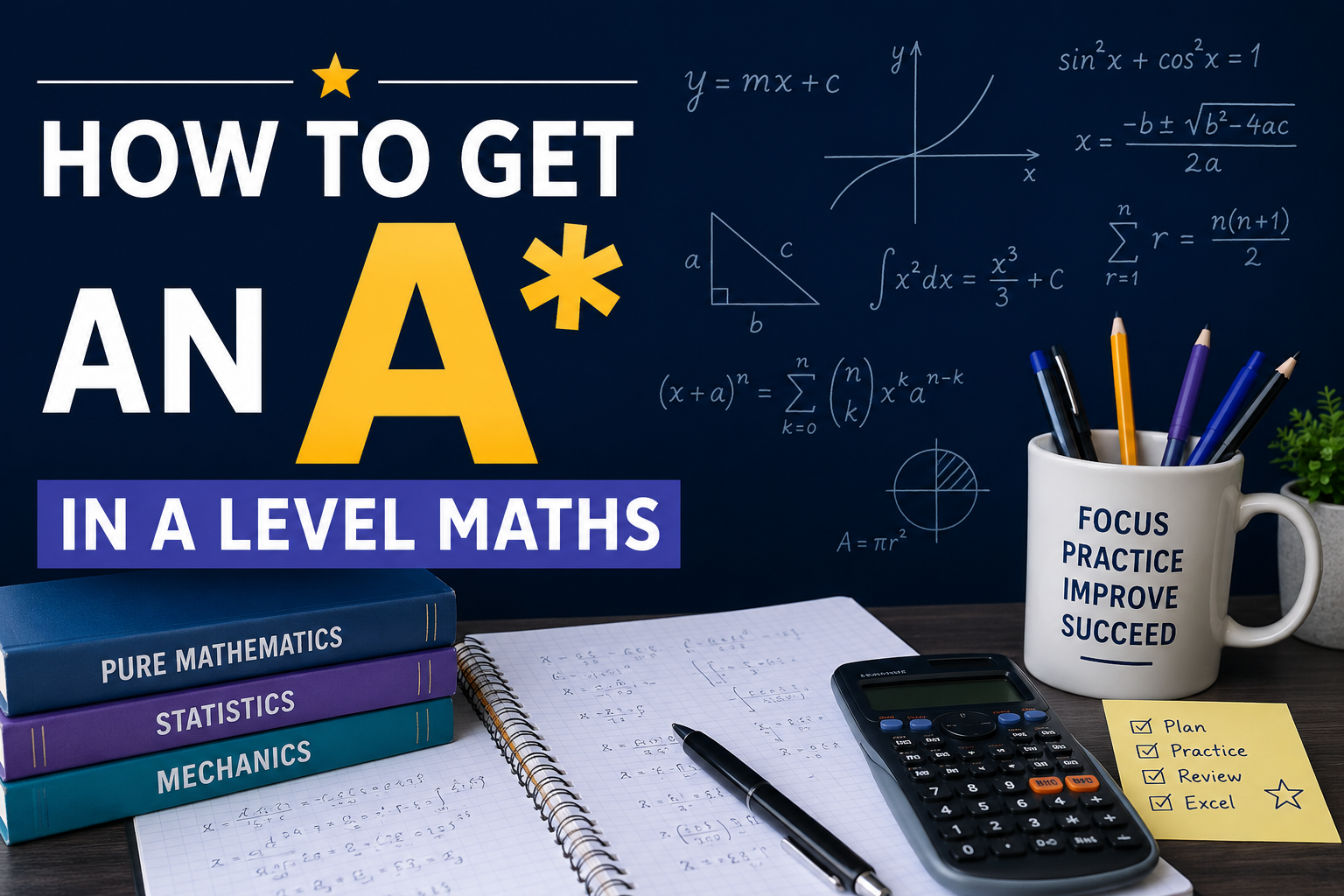
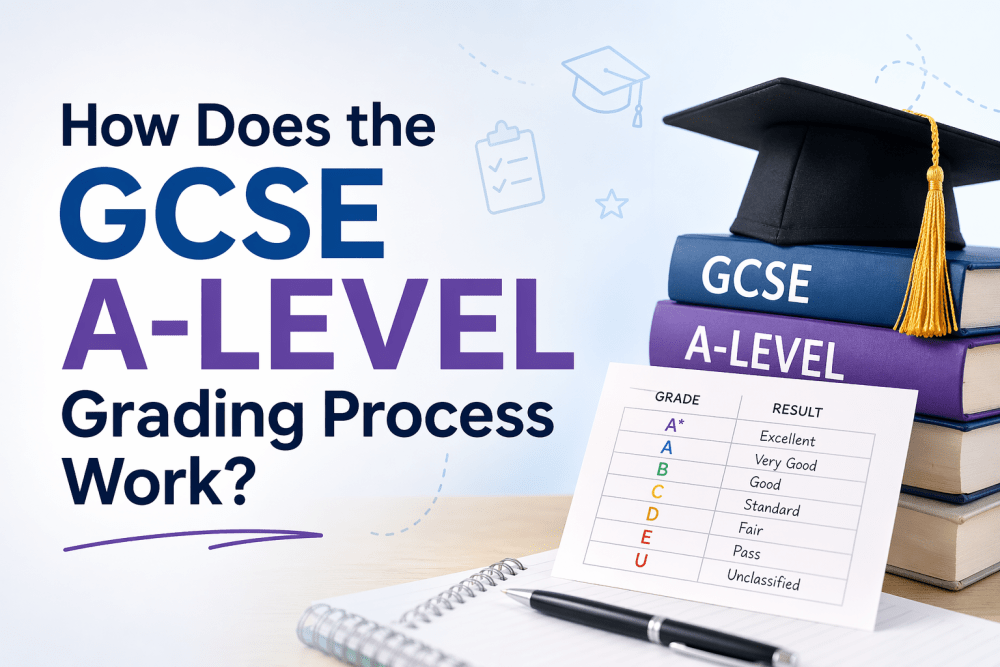
Achieving an A* in A Level maths is a goal many students aim for, but only a small percentage consistently reach. The difference between an average grade and top performance is rarely about talent alone. It usually comes down to strategy, consistency, and understanding how examiners assess answers.
Whether you are starting Year 12 or preparing for final exams, this guide explains practical methods that can help you improve your performance and maximise your marks.
The first step to success is understanding what the syllabus actually requires. Most students lose marks not because the questions are impossible, but because they misunderstand the style and depth expected.
A typical course includes:
To excel in A Level maths, you need strong algebra skills, problem-solving ability, and confidence with calculator and non-calculator methods. Spend time reviewing the specification from your exam board so you know exactly which topics are tested.
One of the biggest mistakes students make is rushing into difficult exam questions without mastering the basics first.
Topics such as:
appear repeatedly throughout the course. Weak understanding in one area can affect several others later on.
Instead of memorising methods, focus on understanding:
Strong foundations make advanced questions far easier to solve under pressure.
Consistent practice is the single most effective way to improve.
Top-performing students usually solve maths problems daily, even if only for 30–60 minutes. Regular exposure helps you:
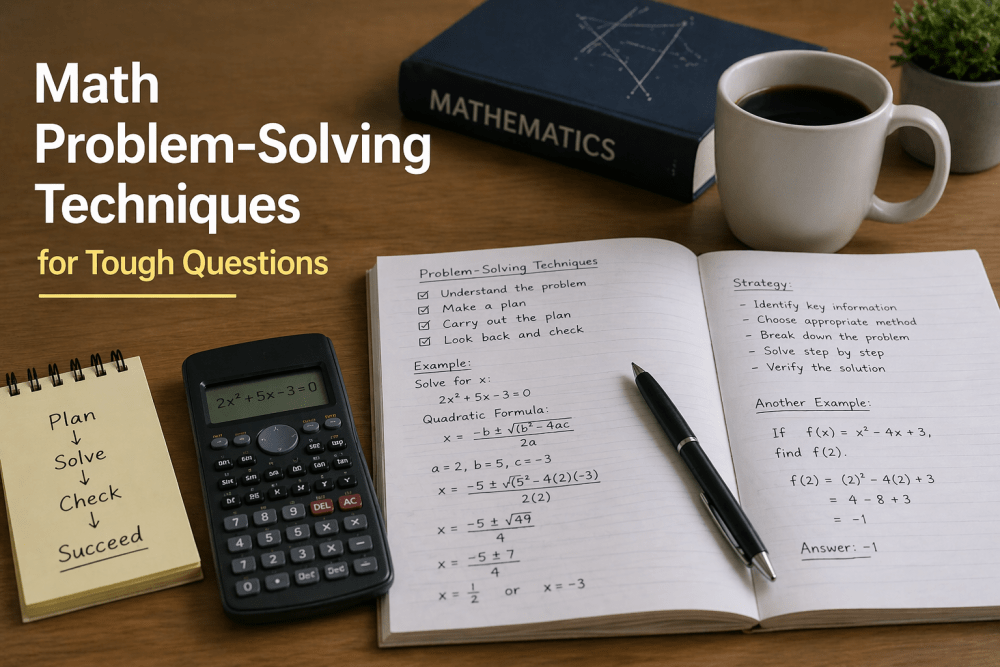
For A Level maths, exam-style questions are especially important because mark schemes often reward specific working methods. Simply getting the final answer correct is not always enough.
A useful study structure is:
The review stage is where most progress happens.
Students aiming for an A* treat mistakes as learning opportunities rather than failures.
After every test or practice paper:
Over time, you will notice patterns in the errors you make. Some students struggle with algebra, while others lose marks due to poor interpretation of worded problems
.
Improvement becomes much faster once you actively track these weaknesses.
Knowledge alone is not enough for top grades. Exam technique plays a major role.
To perform well in A Level maths, focus on:
Many A* students complete papers in timed conditions weeks before the actual exam. This builds familiarity with pressure and improves pacing.
Another important skill is knowing when to move on from a difficult question. Spending too long on one problem can cost valuable marks elsewhere.
The quality of your study materials matters.
Reliable resources include:
Online learning platforms can also make difficult concepts easier to understand. One useful resource students often use is MathsAlpha, which provides structured explanations, practice materials, and revision support for mathematics students. Platforms like this can help simplify complex topics and provide extra practice outside the classroom.
When choosing resources, prioritise clarity and exam relevance over quantity.
Reading notes repeatedly is not effective revision.
Instead, use active learning methods such as:
The brain retains information much better when actively retrieving knowledge
.
A strong revision routine for A Level maths should include both topic review and regular mixed practice. Mixed questions are particularly useful because they train you to identify which method a question requires.
Many students only revise seriously a few months before exams. This creates stress and limits improvement.
The students most likely to achieve an A* usually:
Small daily progress is more effective than occasional long study sessions.
Consistency also helps reduce exam anxiety because you feel more prepared over time.
Confidence matters in mathematics.
Difficult questions are designed to challenge everyone, even strong students. Instead of panicking, train yourself to approach unfamiliar problems calmly and logically.
Remember:
Students who persist through difficult topics often outperform naturally gifted students who rely only on talent.
Getting an A* is absolutely achievable with the right approach. Success in A Level maths comes from mastering fundamentals, practising consistently, learning from mistakes, and refining exam technique over time.
Focus on understanding rather than memorisation, use quality revision resources, and stay disciplined throughout the course. With steady effort and smart preparation, you can significantly increase your chances of achieving the top grade.

.png)
.png)
.png)

.png)
.png)


















See our Trustpilot Excellent Reviews